China Insight: Three Keywords Unveiling China Inc. — and the Trillion-yuan Fashion Growth Drivers Ahead
Unpack the three critical keywords driving China's monumental fashion growth: unparalleled digital velocity, the powerful Guochao movement, and the rise of conscious consumption. Discover the future of luxury in Asia.
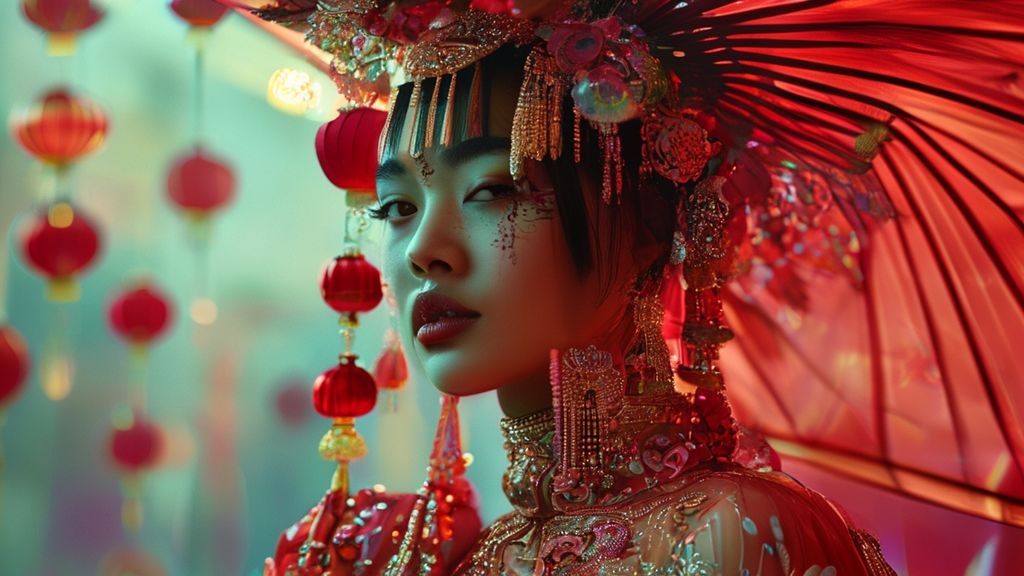
Plate · China Insight: Three Keywords Unveiling China Inc. — and the Trillion-yuan Fashion Growth Drivers Ahead
The global fashion landscape has long observed China with a blend of awe and strategic intent. What was once primarily a manufacturing hub and an emerging consumer market has rapidly transformed into a sophisticated, dynamic ecosystem that not only absorbs global trends but increasingly dictates them. With a projected market value set to breach the trillion-yuan mark, understanding the nuanced forces at play within China Inc. is paramount for any luxury Maison or visionary designer looking to thrive. This deep dive unearths three pivotal keywords that illuminate China's unique trajectory, revealing the engines of its unprecedented fashion growth.
Digital Velocity & Hyper-Connectivity: The Fabric of Modern Chinese Fashion
China's digital ecosystem is not merely advanced; it is a parallel reality, a hyper-connected universe where commerce, social interaction, and entertainment seamlessly converge. For the fashion industry, this translates into an unparalleled speed of adoption and innovation, demanding an agile, adaptive strategy from every brand. The first keyword, Digital Velocity & Hyper-Connectivity, encapsulates the nation's ingrained reliance on digital platforms for discovery, engagement, and purchase.
The Omnichannel Imperative: From WeChat to Metaverse
Unlike Western markets where e-commerce often complements brick-and-mortar, in China, digital is the bedrock. Platforms like WeChat, Douyin (the Chinese TikTok), and Xiaohongshu (Little Red Book) are not just marketing channels; they are immersive brand environments. Luxury fashion brands must master:
- Live Commerce: Real-time streaming sales events, often featuring influential Key Opinion Leaders (KOLs) or brand ambassadors, have become a dominant force. Consumers engage directly, ask questions, and make impulse purchases, creating a dynamic retail experience that blends entertainment with transaction.
- Social E-commerce: Xiaohongshu, with its user-generated content and community-driven recommendations, is crucial for building authenticity and trust, especially for beauty and fashion discovery.
- AI-Powered Personalization: Sophisticated algorithms analyze vast datasets of consumer behavior, enabling brands to offer hyper-personalized recommendations, virtual try-ons, and bespoke experiences, from haute couture to ready-to-wear.
- Metaverse & Web3 Exploration: Chinese consumers, particularly Gen Z, are early adopters of digital fashion, NFTs, and virtual brand activations. Luxury houses are experimenting with digital collectibles, immersive virtual stores, and avatar fashion, signaling a new frontier for brand engagement and revenue.
“China's digital ecosystem isn't just a channel; it's the very fabric of consumer interaction, demanding an agile, adaptive strategy from every luxury Maison.”
Brands that fail to integrate seamlessly across these digital touchpoints risk becoming invisible. The expectation for instant gratification, compelling content, and personalized journeys is non-negotiable for the discerning Chinese consumer.
Cultural Resonance & The Guochao Phenomenon: A New Era of National Pride
The second keyword, Cultural Resonance & The Guochao Phenomenon, marks a significant shift in consumer preference and identity. Once synonymous with a fervent desire for Western luxury, the Chinese consumer is increasingly turning inward, celebrating national heritage, craftsmanship, and contemporary Chinese design. 'Guochao,' meaning 'national trend,' is more than a fleeting fad; it is a profound cultural recalibration.
From Global Aspiration to Local Affirmation
This movement is driven by a younger generation that is proud of China's economic prowess and cultural legacy. They seek authenticity and stories that resonate with their identity, leading to:
- Rise of Domestic Brands: Chinese labels like Li-Ning and Anta have successfully rebranded from sportswear giants to fashion-forward entities, incorporating traditional Chinese motifs and aesthetics into premium streetwear and contemporary collections. Independent Chinese designers are gaining international acclaim for their unique perspectives.
- Localized Storytelling: Global luxury brands are increasingly collaborating with Chinese artists, designers, and cultural institutions to create collections that speak directly to local sensibilities, moving beyond superficial red packet campaigns to truly integrate Chinese cultural narratives.
- Emphasis on Craftsmanship & Heritage: There's a renewed appreciation for traditional Chinese craftsmanship, from embroidery and silk weaving to intricate jade work. Brands that can authentically incorporate these elements, whether through modern interpretations or direct collaborations, find a strong connection with consumers.
- Premiumization of 'Made in China': The perception of 'Made in China' is evolving from mass production to high-quality, innovative design. This shift empowers local brands to command premium pricing and compete directly with established international luxury houses.
“The Guochao wave is more than a trend; it's a profound cultural recalibration, where brands that honor Chinese identity resonate deepest with a discerning consumer base.”
For brands, success in this environment hinges on understanding and respecting Chinese culture, moving beyond token gestures to genuine engagement and co-creation. The narrative must be authentic, celebrating a shared identity rather than merely adapting a global message.
The Imperative of Conscious Consumption & Sustainability: Values-Driven Luxury
The third and increasingly crucial keyword is The Imperative of Conscious Consumption & Sustainability. While often perceived as secondary to economic growth, environmental awareness and ethical considerations are rapidly gaining traction among Chinese consumers, particularly among affluent millennials and Gen Z. This demographic is not just buying products; they are buying into values.
Beyond Greenwashing: Demand for Transparency and Impact
The demand for sustainable luxury is propelled by:
- Environmental Awareness: Growing concerns about climate change, pollution, and resource depletion are influencing purchasing decisions. Consumers are actively seeking brands that demonstrate genuine commitment to environmental protection.
- Ethical Sourcing & Production: Transparency in the supply chain, fair labor practices, and cruelty-free production are becoming non-negotiable. Brands that can clearly communicate their ethical credentials gain a significant advantage.
- Circular Fashion & Longevity: The concept of buying less but better, investing in high-quality, durable pieces, and exploring rental or resale models is gaining traction. Upcycling, repair services, and initiatives promoting the circular economy resonate with a generation seeking to reduce waste.
- Brand Values & Social Responsibility: Beyond environmental impact, consumers are scrutinizing a brand's broader social responsibility initiatives. Diversity, inclusion, and community engagement are factors that build loyalty and trust.
“In the pursuit of luxury, the modern Chinese consumer increasingly seeks not just opulence, but integrity – demanding a commitment to people and planet.”
Brands must move beyond superficial 'green' marketing to implement verifiable, impactful sustainability practices across their entire value chain, from raw material sourcing to end-of-life solutions. This includes investing in innovative eco-friendly materials, reducing carbon footprints, and promoting ethical fashion practices. Authenticity in sustainability is key to earning the trust of a values-driven consumer base.
The Trillion-yuan Fashion Growth Drivers Ahead: A Synthesis for Strategic Advantage
These three keywords—Digital Velocity & Hyper-Connectivity, Cultural Resonance & Guochao, and The Imperative of Conscious Consumption & Sustainability—are not isolated trends but interconnected forces shaping the future of China's fashion industry. Their synergy creates a unique and lucrative landscape that, when navigated strategically, promises monumental growth.
The trillion-yuan opportunity lies in brands' ability to:
- Master the Digital-First Experience: Seamlessly integrate e-commerce, live commerce, and social media with immersive digital luxury experiences. Leverage fashion tech for personalization and engaging brand storytelling, from virtual try-ons to metaverse activations.
- Embrace Localized Authenticity: Deeply understand and respectfully integrate Chinese culture into product design, marketing narratives, and brand identity. Collaborate with local designers and artists to create collections that truly resonate with the Guochao spirit, whether it's through premium streetwear or contemporary Chinese fashion.
- Lead with Purpose and Transparency: Champion sustainable luxury and ethical fashion practices. Communicate environmental and social commitments clearly and authentically, ensuring traceability in the supply chain and investing in circular economy initiatives.
- Cultivate Community and Engagement: Foster loyal communities around shared values and interests, utilizing platforms like Xiaohongshu to build genuine connections and empower consumers as co-creators and brand advocates.
- Innovate Across the Value Chain: From design and production to retail strategy and consumer engagement, continuous innovation is essential. This includes adopting new materials, leveraging AI for trend forecasting, and optimizing supply chain resilience for speed and responsiveness.
The Chinese consumer is evolving rapidly, becoming more sophisticated, discerning, and globally aware yet locally proud. They seek luxury that is not only exquisitely crafted but also digitally accessible, culturally relevant, and ethically sound. The market is not just about selling products; it's about building enduring relationships based on shared values and unparalleled experiences.
Concluding Insights: Navigating the Future of Chinese Fashion
China Inc. is no longer merely a market; it is an incubator of innovation, a trendsetter, and a powerful engine for global fashion growth. For international luxury brands, understanding these three keywords is not an option but a strategic imperative. It demands a fundamental shift from a global-first approach to a China-first mindset, prioritizing agility, authenticity, and innovation tailored to the unique dynamics of this vibrant market.
The trillion-yuan fashion growth ahead is not a given; it is earned through deep cultural intelligence, relentless digital mastery, and an unwavering commitment to responsible luxury. Brands that can authentically integrate these principles into their core strategy will not only capture market share but also redefine the very essence of luxury in the 21st century, securing their legacy in the most dynamic fashion landscape on earth.