China Insight: Decoding the Trillion-Yuan Fashion Revolution Through Three Key Lenses
Unpack China's burgeoning fashion landscape. Discover the three pivotal keywords driving sustainable growth and unlocking a trillion-yuan market for conscious luxury and innovation.
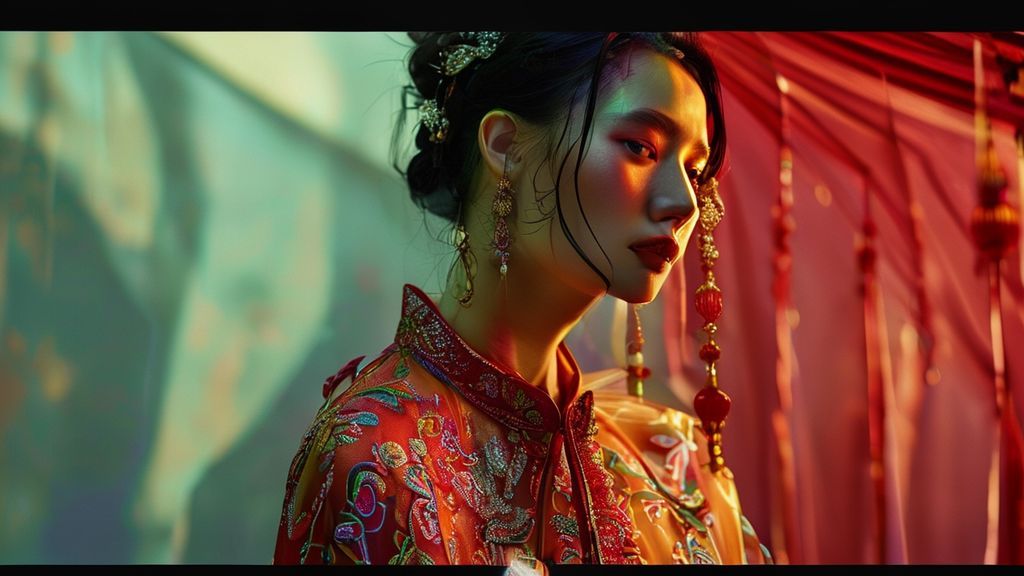
Plate · China Insight: Decoding the Trillion-Yuan Fashion Revolution Through Three Key Lenses
The global fashion industry stands at a precipice of transformation, and nowhere is this more evident than in China. Once perceived primarily as a manufacturing hub, China has rapidly evolved into a dynamic epicenter of design, consumption, and, crucially, sustainable innovation. The sheer scale of its market, coupled with an increasingly sophisticated and ethically-minded consumer base, positions China as a formidable driver of the next era of fashion. This isn't merely about market size; it's about a fundamental shift in values, technology adoption, and cultural pride that is reshaping the very fabric of the industry. To truly comprehend the trillion-yuan growth potential and the profound shifts underway, we must examine China Inc. through three illuminating keywords: Sustainability, Digitalization, and Cultural Rejuvenation.
The Sustainability Imperative: A New Era of Conscious Consumption
The narrative around fashion in China is experiencing a profound shift, moving beyond mere trends to embrace a deep-seated commitment to environmental stewardship and ethical practices. While the nation has historically grappled with the environmental footprint of its industrial growth, there is now an undeniable momentum towards a circular economy in fashion, driven by both governmental directives and a burgeoning consumer demand for transparency and responsibility. This isn't just a niche movement; it's becoming a mainstream expectation, particularly among the nation's influential younger demographics.
From Fast Fashion to Future-Proof: Embracing Circularity
The era of disposability is giving way to a conscious pursuit of longevity and resource efficiency. Chinese brands and consumers are increasingly scrutinizing supply chains, demanding eco-friendly textiles, and exploring innovative business models that minimize waste. Government initiatives, such as stricter environmental regulations and incentives for green manufacturing, are accelerating this transition, pushing the industry towards more sustainable fashion practices.
- Innovative Materials: A surge in the adoption of organic cotton, recycled polyester, Tencel, and experimental bio-based fabrics (e.g., mushroom leather, algae fibers) is redefining material sourcing.
- Supply Chain Traceability: Brands are investing in blockchain technology and digital platforms to ensure transparency from farm to factory to consumer, fostering ethical fashion brands.
- Resale and Rental Platforms: The luxury resale China market is booming, with platforms like Plum and Idle Fish (Xianyu) making second-hand fashion accessible and desirable, promoting a circular economy fashion model.
- Waste Reduction Initiatives: Brands are implementing zero-waste design principles, upcycling programs, and take-back schemes for end-of-life garments.
"China's fashion future isn't just about what's new, but what's next for the planet. The pursuit of conscious luxury is no longer an option, but a market imperative."
Gen Z and the Green Premium: Driving Ethical Choices
China's Gen Z, a demographic cohort with immense purchasing power and global awareness, is at the forefront of this sustainability revolution. These digitally native consumers are not only discerning about style but also deeply concerned about the environmental and social impact of their purchases. They are willing to pay a premium for products that align with their values, driving demand for ethical fashion and brands that demonstrate genuine commitment to sustainability. Their influence is pushing both local and international brands to integrate green practices into their core strategies, making conscious consumption a powerful market force.
Digital Alchemy: Hyper-Innovation and Experiential Commerce
China's digital landscape is a crucible of innovation, where technology isn't just integrated into fashion; it fundamentally reshapes how fashion is created, consumed, and experienced. The rapid adoption of cutting-edge technologies, from AI and big data to the metaverse and live-stream commerce, has made China a global leader in digital fashion transformation. This hyper-digital environment creates unprecedented opportunities for engagement, personalization, and market reach, unlocking new avenues for growth and brand storytelling.
Beyond E-commerce: The Metaverse and AI in Fashion
The traditional boundaries of retail are dissolving in China, replaced by immersive, interactive, and intelligent digital ecosystems. E-commerce platforms are evolving into entertainment hubs, while virtual worlds offer new frontiers for brand presence and product showcasing. AI is no longer a futuristic concept but a practical tool for optimizing every stage of the fashion lifecycle.
- Live-Stream Shopping Dominance: Platforms like Taobao Live and Douyin (TikTok) have transformed shopping into an interactive, real-time experience, merging entertainment with instant purchasing. This is a primary channel for fashion innovation Asia.
- Virtual Fashion and Digital Wearables: Brands are experimenting with NFTs, digital clothing, and virtual try-on technologies, allowing consumers to express themselves in the metaverse and beyond.
- AI-Driven Personalization: Artificial intelligence is leveraged for trend forecasting, inventory management, supply chain optimization, and hyper-personalized product recommendations, creating bespoke shopping journeys.
- Blockchain for Authenticity: Technology is employed to verify the authenticity of luxury goods and track sustainable sourcing, enhancing consumer trust in the luxury market.
"In China, the digital realm isn't just a channel; it's a creative canvas for fashion's next frontier, where AI and the metaverse redefine engagement and aspiration."
Data-Driven Design and Personalized Experiences
The abundance of data generated by China's digital-first consumers provides an unparalleled opportunity for brands to understand preferences, predict trends, and tailor offerings with surgical precision. This data-driven approach extends from product design, where AI analyzes consumer feedback and market gaps, to highly individualized marketing campaigns and post-purchase experiences. The result is a highly responsive and personalized fashion landscape that caters to the nuanced desires of a diverse consumer base, fostering deeper brand loyalty and significantly driving the Chinese luxury market.
Cultural Renaissance: Guo Chao and the Power of Heritage
The third pivotal keyword is a celebration of China's rich cultural heritage, manifesting in the powerful "Guo Chao" (national trend) phenomenon. This movement signifies a profound shift in consumer preference towards domestic brands that skillfully integrate traditional Chinese aesthetics, craftsmanship, and cultural narratives into contemporary designs. It's a reclamation of identity, a surge of national pride, and a redefinition of what "Made in China" truly represents on the global fashion stage.
Reclaiming Roots: The Guo Chao Phenomenon
Guo Chao is more than just a trend; it's a cultural awakening that empowers Chinese designers and brands to tell their own stories, drawing inspiration from millennia of art, philosophy, and craftsmanship. This movement resonates deeply with younger generations who seek authenticity and connection to their heritage, transforming traditional motifs and techniques into modern, desirable luxury fashion pieces.
- Modern Interpretations of Heritage: Designers are ingeniously incorporating traditional Chinese embroidery, silk patterns, Hanfu elements, and classical artistic motifs into contemporary apparel and accessories.
- Craftsmanship Revival: A renewed appreciation for artisanal skills, from Suzhou embroidery to Miao silverwork, is leading to collaborations between modern designers and master craftspeople, preserving and evolving ancient techniques.
- Storytelling Through Design: Brands are weaving compelling narratives that connect products to Chinese history, mythology, and philosophical values, creating emotional resonance with consumers.
- Local Designer Ascendancy: The rise of independent Chinese designers, once overshadowed by international labels, who are gaining global recognition for their unique blend of cultural heritage and modern aesthetics.
"China's fashion narrative is increasingly woven with threads of its rich cultural past, reimagined for a global future, proving that true innovation often stems from deep roots."
From Local Pride to Global Stage: Redefining "Made in China"
The Guo Chao movement is fundamentally transforming perceptions of Chinese products, both domestically and internationally. It challenges preconceived notions of "Made in China" as merely mass-produced, replacing it with an image of sophisticated design, quality craftsmanship, and profound cultural depth. This cultural rejuvenation is not only fueling domestic consumption but also positioning Chinese brands as credible and influential players in the global luxury and sustainable fashion markets, showcasing a unique blend of heritage and future-forward design.
Concluding Insights: The Trillion-Yuan Opportunity Ahead
The convergence of Sustainability, Digitalization, and Cultural Rejuvenation forms the bedrock of China's trillion-yuan fashion growth story. These three keywords are not isolated trends but interconnected forces, each amplifying the others to create a uniquely dynamic and incredibly lucrative market. The discerning Chinese consumer, particularly the influential Gen Z, is driving demand for products that are not only stylish but also ethically produced, technologically advanced, and culturally resonant.
For international brands, understanding these drivers is paramount. Success in China no longer hinges solely on brand heritage or global recognition; it demands genuine engagement with local values, a commitment to sustainable practices, and fearless innovation in the digital realm. Brands that can authentically weave these elements into their strategy – offering eco-friendly textiles, embracing live-stream commerce, leveraging AI for personalization, and respectfully integrating Chinese cultural heritage – will unlock unprecedented opportunities. China is not just a market to be sold to; it is a powerful co-creator of fashion's future, leading the charge towards a more conscious, connected, and culturally rich global industry. The growth drivers are clear, and the path to a trillion-yuan future is paved with purpose, innovation, and an unwavering respect for heritage.