From the Archive: Celebrating Carmen de Lavallade, Icon of Dance and Style
Celebrating Carmen de Lavallade, a titan of American dance whose profound artistry and sophisticated sartorial choices define an era of timeless elegance.
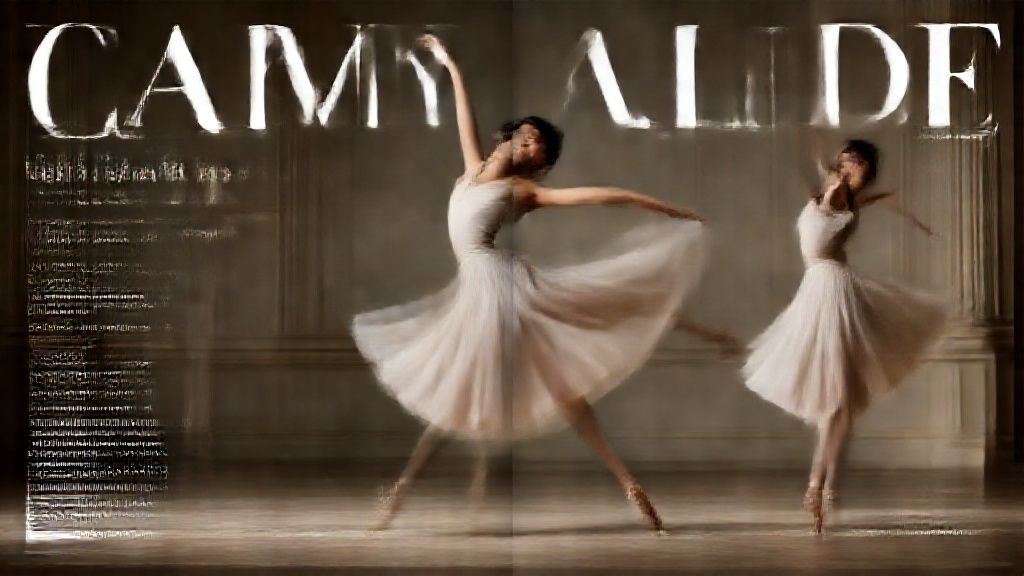
Plate · From the Archive: Celebrating Carmen de Lavallade, Icon of Dance and Style
From the Archive: Celebrating Carmen de Lavallade, Icon of Dance and Style
In the rarefied air of artistic excellence, certain figures emerge not merely as practitioners of their craft, but as embodiments of an entire aesthetic philosophy. Carmen de Lavallade is such a luminary. A name synonymous with grace, power, and an uncompromising artistic vision, de Lavallade transcends the conventional definitions of a performer. She is an icon of dance, a fashion legend, and a living archive of American cultural history. Her journey, from the stages of mid-century modern dance to her enduring presence today, is a testament to a spirit that refuses to be confined, and a style that remains eternally relevant.
As we delve into the annals of her illustrious career, we uncover a narrative woven with threads of innovation, resilience, and an innate understanding of timeless elegance. This exploration is not merely a retrospective; it is a celebration of a woman whose every movement, both on and off the stage, articulated a profound sense of self and an unparalleled sartorial sensibility. Her influence extends far beyond the proscenium arch, shaping our understanding of what it means to possess enduring style.
A Legacy in Motion: Pioneering American Dance
Carmen de Lavallade’s impact on American dance is immeasurable. Born in Los Angeles in 1931, her early training under the legendary Lester Horton was foundational. Horton’s technique, known for its emphasis on a whole-body approach, flexibility, and spatial awareness, provided de Lavallade with a robust vocabulary that allowed her to move with extraordinary fluidity and expressive depth. She became a principal dancer in the Lester Horton Dance Theater, a pivotal incubator for many future dance greats, including Alvin Ailey.
The Horton Technique and Beyond
Her mastery of the Horton technique was evident in every performance, characterized by powerful extensions, dramatic falls, and a breathtaking command of her physical instrument. This technical prowess was always in service of emotional truth, a hallmark of her artistry. De Lavallade's collaborations were equally transformative. Her partnership with Alvin Ailey was particularly significant, influencing the nascent stages of the Alvin Ailey American Dance Theater. She performed in Ailey’s seminal work, Revelations, and was instrumental in shaping the company's early aesthetic. Beyond Ailey, her work with John Butler, Geoffrey Holder (her husband and a polymath in his own right), and Duke Ellington showcased her versatility across ballet, modern dance, and theatrical productions. Each role she undertook was imbued with a distinctive sophisticated glamour and an undeniable stage presence, cementing her status as a true pioneer.
Style as Expression: The Sartorial Lexicon of Carmen de Lavallade
While her dance legacy is profound, Carmen de Lavallade’s personal style is equally captivating and influential. Her approach to fashion is a masterclass in understated luxury and a testament to the power of a curated wardrobe. She never chased fleeting trends; instead, she cultivated a look that was deeply personal, reflective of her artistic integrity, and utterly timeless.
The Stage as Runway
The synergy between her performance wear and personal style is a fascinating aspect of her aesthetic. Her stage costumes, often designed by her husband Geoffrey Holder or other visionary artists, were an extension of her characters – dramatic, elegant, and often avant-garde in their own right. These theatrical elements subtly informed her off-stage choices, translating into an appreciation for dramatic silhouettes, exquisite draping, and the inherent beauty of luxury textiles. She understood that clothing, much like dance, is a form of non-verbal communication, a way to express identity and mood.
Off-Duty Elegance: A Study in Refinement
Off the stage, de Lavallade’s style is defined by a meticulous attention to detail and a preference for quality over quantity. Her wardrobe is a testament to the enduring appeal of classic elegance. She favored impeccably tailored pieces, often in rich, natural fabrics like silk, cashmere, and fine wool. Her minimalist aesthetic is punctuated by thoughtful accessories – a striking piece of statement jewelry, an elegant scarf, or a perfectly chosen handbag. She embodies the philosophy of building a capsule wardrobe long before the term became ubiquitous, investing in pieces that would stand the test of time.
- Impeccable Tailoring: Suits and dresses that fit her lithe frame flawlessly, emphasizing her dancer's posture.
- Rich Textures & Fabrics: A preference for silks, velvets, and fine wools that move beautifully and age gracefully.
- Classic Silhouettes: A-line skirts, perfectly cut trousers, and sophisticated sheath dresses that transcend seasonal fads.
- Understated Accessories: Bold, sculptural jewelry or a single, exquisite brooch, rather than an abundance of adornments.
- Neutrals with Intent: A palette dominated by black, white, cream, and deep jewel tones, allowing the texture and cut of the garment to speak volumes.
- Vintage & Archival Influence: An appreciation for pieces with history and unique character, often integrated seamlessly into her contemporary wardrobe.
"I love beauty. I'm a beauty freak. If it's beautiful, I want to wear it. If it's beautiful, I want to dance to it. If it's beautiful, I want to look at it."
— Carmen de Lavallade
Enduring Influence: A Muse for Generations
Carmen de Lavallade’s influence continues to resonate within the worlds of dance, theater, and fashion. Her longevity in a demanding profession is remarkable; she has performed well into her eighties, captivating audiences with undiminished grace and power. Her commitment to mentorship and education ensures that her vast knowledge and unique perspective are passed on to new generations of artists. She remains a style muse for designers and fashion enthusiasts alike, her image frequently referenced in discussions about enduring style and sartorial influence.
Her ability to adapt, evolve, and remain relevant while staying true to her core artistic and aesthetic principles is a rare feat. She is a living bridge between the pioneering era of modern dance and its contemporary manifestations, between the haute couture sensibilities of mid-century fashion and the nuanced elegance sought by today's discerning consumer. Her design legacy is not merely about what she wore, but how she wore it – with confidence, artistry, and an intrinsic understanding of self.
Concluding Insights
Carmen de Lavallade stands as a testament to the profound connection between art and life, performance and personal expression. Her journey, steeped in the rigor of dance and the elegance of discerning fashion, offers invaluable insights into cultivating a life of purpose and style. She reminds us that true elegance is not about fleeting trends or ostentatious display, but about authenticity, integrity, and a deep appreciation for beauty in all its forms.
From the archival fashion statements she made on stage to the meticulously chosen pieces in her private collection, de Lavallade’s impact on our fashion lexicon is indelible. She is more than a dancer; she is a cultural phenomenon, a beacon of timeless style whose legacy continues to inspire, educate, and enchant. Her life is a masterclass in how to move through the world with grace, power, and an unmistakable sense of self, making her an eternal icon of dance and style.