The Sole of the Matter: Navigating Michael Kors' Footwear Faux Pas Towards a Sustainable Horizon
Capri Holdings confronts a critical juncture as CEO John Idol identifies Michael Kors footwear as a significant hurdle. This piece explores the implications for luxury fashion, brand integrity, and the imperative for sustainable innovation.
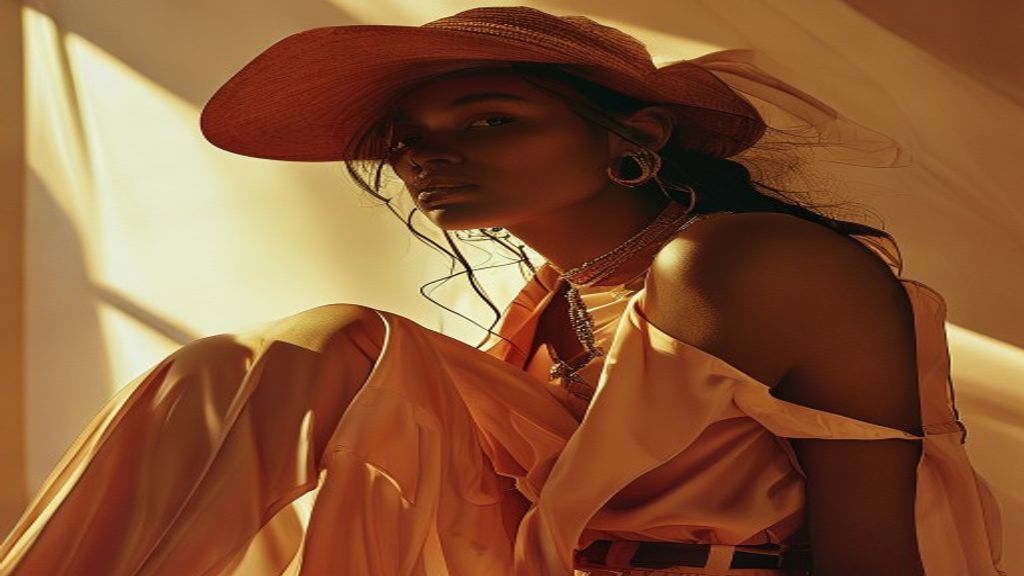
Plate · The Sole of the Matter: Navigating Michael Kors' Footwear Faux Pas Towards a Sustainable Horizon
The Uncomfortable Truth: Michael Kors Footwear at a Crossroads
In the dynamic, often unforgiving landscape of luxury fashion, a brand's strategic misstep can reverberate with seismic impact. Such is the current reality for Capri Holdings, the esteemed parent company overseeing a formidable trio of global powerhouses: Versace, Jimmy Choo, and Michael Kors. Recent pronouncements from Capri CEO John Idol have cast a stark spotlight on a particular segment of their portfolio, identifying Michael Kors footwear as the company’s ‘biggest issue’. This candid admission is more than just a quarterly earnings footnote; it signals a critical juncture for a brand that, for decades, has epitomized accessible luxury and aspirational American glamour. From the discerning perspective of a senior fashion editor, this challenge is not merely a commercial hurdle, but a profound design, branding, and ultimately, a sustainability imperative in an increasingly conscious market.
Michael Kors, with its ubiquitous handbags and ready-to-wear collections, forged its identity on a foundation of sophisticated yet approachable style. The brand's rapid ascent was a testament to its ability to tap into the desires of a broad consumer base seeking a taste of the high life without the prohibitive price tag. However, as the luxury market evolves, driven by a new generation of consumers prioritising authenticity, provenance, and purpose, the traditional playbook is being rewritten. The footwear segment, often a critical entry point into a luxury brand's universe, appears to have lagged, failing to capture the imagination or meet the elevated expectations now synonymous with premium fashion. This situation demands a deep dive into not just what went wrong, but how Michael Kors, under Capri's stewardship, can pivot towards a more sustainable, desirable, and ultimately, profitable future.
Unpacking the Footwear Faux Pas: Why Michael Kors Stumbles
To understand the depth of the issue, one must dissect the various factors contributing to Michael Kors' footwear predicament. It’s a multi-layered problem, touching upon design philosophy, market positioning, and the broader shifts in consumer behaviour.
Market Saturation and Design Dilution
The rapid expansion of Michael Kors, particularly through its outlet stores and aggressive promotions, undeniably democratized luxury, but at a cost. The sheer volume of product, coupled with a perceived lack of distinctive design, led to a dilution of the brand's once-aspirational appeal. In footwear, this manifested as a proliferation of styles that often felt derivative or trend-driven rather than timeless and innovative. When every mall offers a similar aesthetic, the allure of exclusivity diminishes. Consumers, particularly in the premium accessories space, crave unique identity and enduring quality, traits that have become increasingly elusive in Michael Kors' mass-market footwear offerings.
The Shifting Sands of Consumer Expectation
Today's luxury consumer is savvier and more demanding than ever. They seek more than just a logo; they desire a story, a commitment to craftsmanship, ethical sourcing, and environmental responsibility. For footwear, this translates into a demand for superior materials, ergonomic comfort, and designs that transcend fleeting trends. Brands like Jimmy Choo, also under the Capri umbrella, thrive on this very premise – exquisite design, unparalleled quality, and a distinct aesthetic narrative. Michael Kors footwear, in contrast, has struggled to articulate a compelling value proposition beyond its price point, failing to resonate with those who prioritize conscious consumption and long-term investment pieces.
Supply Chain and Production Realities
The pressure to produce high volumes at competitive prices often leads to compromises in material selection and manufacturing processes. In the realm of footwear, this can mean relying on less durable synthetic materials, sacrificing artisanal techniques for speed, and contributing to a larger environmental footprint. The fast fashion cycle, while not explicitly Michael Kors' core strategy, has undoubtedly influenced production timelines and material choices across the industry. For a brand aspiring to premium status, ignoring the provenance of materials, the working conditions of artisans, or the end-of-life impact of its products is no longer tenable. The lack of transparent, sustainable practices in its footwear supply chain likely contributes to its perceived value deficit in the eyes of the modern, informed shopper.
A Sustainable Stride Forward: Reimagining Michael Kors Footwear
Addressing the footwear issue is not merely about sales recovery; it's about a fundamental re-evaluation of brand identity, design ethos, and commitment to sustainable fashion. This is an opportunity for Michael Kors to redefine its legacy.
Design Renaissance: Crafting Timelessness
The path forward for Michael Kors footwear must begin with a design renaissance. This means a deliberate shift away from trend-chasing towards creating enduring, iconic styles that embody the brand's original spirit of sophisticated American glamour. Investment in research and development for innovative, responsible materials – such as chrome-free leathers, recycled synthetics, or bio-based alternatives – is paramount. Focus should be on classic silhouettes reimagined with subtle, modern twists, ensuring versatility and longevity.
- Prioritize distinctive, signature designs over generic styles.
- Invest in superior quality materials, with a focus on sustainable sourcing.
- Explore collaborations with artisans for unique, limited-edition capsule collections.
- Ensure comfort and ergonomic design are as paramount as aesthetics.
In an era of conscious consumption, true luxury lies not in ubiquity, but in enduring design and impeccable provenance.
Elevating Craftsmanship and Ethical Sourcing
Authentic luxury is built on craftsmanship. Michael Kors must re-emphasize the artistry involved in footwear production. This includes:
- Transparency: Providing consumers with clear information about where and how their shoes are made, and by whom.
- Artisan Partnerships: Collaborating with skilled shoemakers, perhaps in regions renowned for their heritage in footwear production, to imbue each piece with a story and a soul.
- Certifications: Pursuing certifications like the Leather Working Group (LWG) for responsible leather production, or exploring B Corp certification for overall ethical business practices.
- Fair Labor: Ensuring fair wages and safe working conditions throughout the supply chain, a non-negotiable aspect of modern ethical fashion.
Embracing Circularity and Longevity
A truly sustainable approach to footwear means designing for its entire lifecycle. This involves:
- Design for Repairability: Creating shoes that can be easily repaired, resoled, or refreshed, extending their lifespan.
- Take-Back Programs: Implementing initiatives where consumers can return old Michael Kors footwear for recycling or upcycling, closing the loop on material waste.
- Resale Initiatives: Partnering with luxury resale platforms or launching their own to encourage a secondary market for their products, enhancing their perceived value and longevity.
- Consumer Education: Empowering customers with knowledge on how to care for their footwear, ensuring they last longer and retain their quality.
The Broader Canvas: Lessons for the Luxury Sector
The challenges faced by Michael Kors footwear are not isolated. They serve as a powerful cautionary tale and a blueprint for action across the entire luxury sector. In an age where brand equity is increasingly tied to environmental and social responsibility, every brand, regardless of its heritage or market share, must critically evaluate its practices. The imperative to pivot towards genuine sustainability – encompassing ethical sourcing, transparent supply chains, innovative eco-friendly materials, and circular design principles – is no longer a niche concern but a mainstream expectation. Brands that fail to adapt risk not only commercial decline but also an erosion of their very identity and relevance in the eyes of a discerning global clientele.
Concluding Insights: The Path to Enduring Elegance
Capri CEO John Idol's frank assessment of Michael Kors footwear presents not a crisis, but a profound opportunity for strategic transformation. For Michael Kors, this is a chance to shed the vestiges of mass-market luxury and reclaim its position as a purveyor of thoughtful, desirable, and responsibly crafted premium accessories. By embracing a holistic approach to design innovation, elevating craftsmanship, ensuring supply chain transparency, and embedding circularity into its core ethos, Michael Kors can not only resolve its 'biggest issue' but also emerge as a leader in the conscious luxury movement.
The future of luxury fashion lies in enduring elegance – pieces that are not only beautiful but also built to last, ethically made, and responsibly consumed. For Michael Kors footwear, the journey ahead is clear: a strategic reset that prioritizes quality over quantity, timelessness over trend, and genuine sustainability over fleeting commercial gains. This commitment will not only revitalize a crucial product category but also strengthen the brand's long-term resonance and integrity in a world that increasingly values purpose alongside prestige. The sole of the matter, it seems, is deeply intertwined with the soul of the brand itself.