The Unraveling of 'B9': Nike's Trademark Denial for Bronny James and the Future of Athlete Branding
Nike's bid for the 'B9' logo for Bronny James was denied, sparking crucial conversations on intellectual property, sustainable branding, and athlete legacy in luxury sportswear.
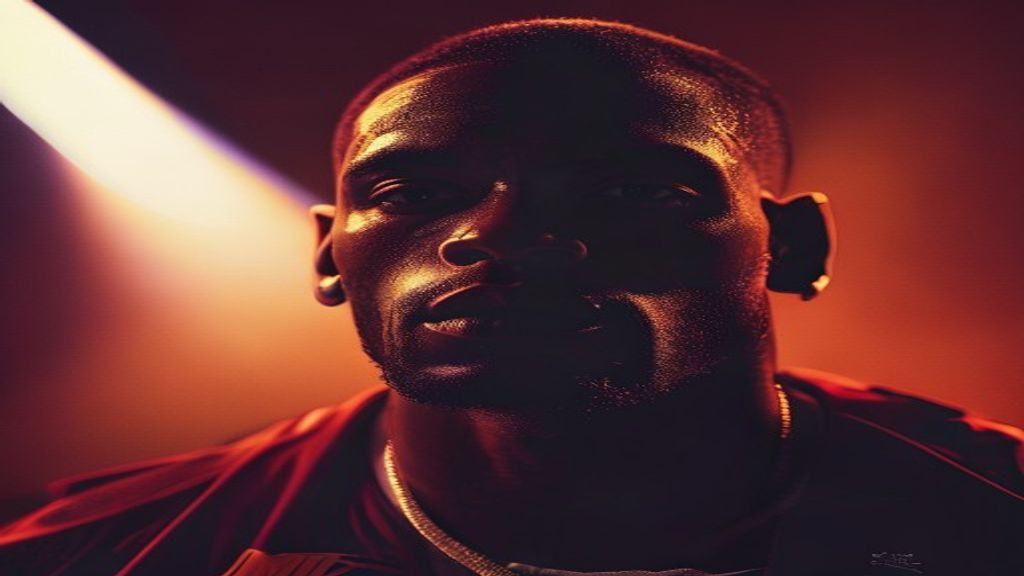
Plate · The Unraveling of 'B9': Nike's Trademark Denial for Bronny James and the Future of Athlete Branding
A Confluence of Sport, Style, and Scrutiny: The 'B9' Trademark Rejection
In the rarefied air where elite athletics intersect with the formidable machinery of global fashion, every design, every emblem, every carefully curated aesthetic choice carries profound weight. It is within this meticulously crafted ecosystem that the recent news of Nike's trademark application denial for Bronny James' 'B9' logo sends ripples, not just through the sportswear giant's corridors, but across the broader landscape of luxury fashion, intellectual property, and sustainable branding practices. This isn't merely a bureaucratic hiccup; it's a potent reminder of the intricate dance between innovation, protection, and the enduring quest for authenticity in a market saturated with transient trends.
As a burgeoning force in the basketball world, Bronny James, son of NBA legend LeBron James, represents the next generation of athlete-influencers. His burgeoning career, coupled with Nike's historical prowess in cultivating iconic athlete brands, made the 'B9' logo a highly anticipated emblem. Intended to encapsulate his personal brand identity, the mark was poised to become a cornerstone of future premium apparel and merchandising. Yet, its rejection by the U.S. Patent and Trademark Office (USPTO) underscores the rigorous standards and potential pitfalls inherent in securing a distinctive and defensible brand integrity in today's competitive market.
The Intricacies of Intellectual Property in High Fashion and Sportswear
Safeguarding Creativity: The Cornerstone of Brand Value
At the heart of every luxury sportswear collection, every bespoke design, and every coveted accessory lies a foundational principle: intellectual property (IP). Trademarks, copyrights, and patents are not just legal instruments; they are the guardians of creativity, the bulwarks against dilution, and the very essence of a brand's unique selling proposition. For established fashion houses, an iconic logo or a distinctive pattern is often more valuable than any physical asset, representing decades of heritage, craftsmanship, and consumer trust.
"In an industry driven by aspiration, the sanctity of a unique mark is paramount, safeguarding not just design, but an entire brand's narrative and its promise of exclusivity."
The denial of the 'B9' trademark application, while specific to a sports figure, resonates deeply within the wider fashion industry. It highlights common challenges: the potential for likelihood of confusion with existing marks, issues of descriptiveness, or a lack of inherent distinctiveness. In an era where visual identity is paramount, a logo must not only be aesthetically pleasing but also legally robust, capable of standing apart in a crowded marketplace. This legal scrutiny ensures that consumers are not misled and that genuine design innovation is protected, fostering an environment where authentic creativity can thrive.
The Perils of Proximity: Why Distinctions Matter
While the precise legal grounds for the 'B9' denial have not been fully disclosed, such rejections often stem from the USPTO's determination that a proposed mark is too similar to an existing one, or that it lacks the distinctiveness required to function as a unique source identifier. For Nike, a company with an expansive portfolio of registered trademarks, navigating this landscape is usually second nature. However, the incident serves as a stark reminder that even the most seasoned players must exercise extreme vigilance. In the nuanced world of fashion law, even subtle visual or phonetic similarities can trigger a denial, preventing potential market confusion and preserving the integrity of existing brands.
Sustainable Branding: Beyond the Transient Trend Cycle
The Longevity Imperative: IP as a Pillar of Ethical Design
In our ongoing discourse on sustainable fashion, the conversation often centers on materials, supply chains, and labor practices. Yet, the role of intellectual property in fostering genuine sustainability is frequently overlooked. A strong, legally protected brand identity is intrinsically linked to product longevity and responsible consumption. When a design or logo is truly unique and protected, it discourages the rapid replication and imitation that fuels the fast fashion cycle – a cycle notorious for its environmental and social costs.
Consider the contrast: a meticulously designed, trademarked item from a heritage brand, whose value is bolstered by its authenticity and protected design, is often cherished for years, even decades. This stands in stark opposition to the disposable nature of quickly copied, unprotected designs that flood the market, contributing to immense waste. The 'B9' case, therefore, inadvertently highlights a critical aspect of ethical branding:
- Fostering genuine innovation: Strong IP encourages original design, rather than imitation, pushing the boundaries of creativity.
- Protecting designer livelihoods: It safeguards the significant investment of time, talent, and resources that go into creating unique aesthetics.
- Ensuring brand authenticity and consumer trust: A protected mark assures consumers of the product's origin and quality, building lasting loyalty.
- Promoting product longevity: Items with unique, protected designs often command a higher perceived and actual value, encouraging consumers to invest in quality and keep items longer, reducing fashion waste.
This denial for 'B9' serves as a microcosm of the larger battle against design dilution, a battle that directly impacts the sustainability of our fashion ecosystem. By upholding rigorous IP standards, we implicitly champion slower, more thoughtful production and consumption.
The Evolving Landscape of Athlete Endorsements and Personal Brand Identity
From Endorser to Entrepreneur: Crafting a Unique Legacy
The modern athlete is no longer merely a face for a brand; they are increasingly becoming brands themselves. With the advent of social media and direct-to-consumer channels, athletes are empowered to cultivate deeply personal identities, often extending beyond their primary sport. Bronny James, like many of his peers, is at the forefront of this shift, seeking to establish a distinct persona that transcends his celebrated surname and formidable association with Nike.
"The modern athlete is not merely an endorser; they are a brand architect, crafting a legacy that extends far beyond the court or field, demanding a meticulous approach to their unique identity."
This pursuit of individual branding presents both immense opportunity and significant challenges. While a partnership with a global powerhouse like Nike offers unparalleled reach, it also necessitates careful navigation of existing brand territories. The 'B9' denial underscores the necessity for athletes, their agents, and their legal teams to conduct extensive due diligence. Crafting a truly unique and legally defensible brand mark requires foresight, creativity, and a deep understanding of the intellectual property landscape. It's about more than just a cool design; it's about building a foundation for a lasting legacy that can stand independently.
Lessons from the Atelier: Crafting an Enduring Brand Legacy
Drawing parallels with the traditional fashion atelier, where every stitch, every cut, and every fabric choice is imbued with purpose and precision, the creation of an athlete's personal brand demands similar meticulousness. Just as haute couture houses painstakingly develop their signature silhouettes and motifs, athletes seeking to establish an iconic design must approach their branding with a long-term vision. This involves not just an appealing logo, but a cohesive narrative, a set of values, and a commitment to quality that resonates with their audience.
The intersection of sport and high fashion, particularly in the realm of luxury sportswear, has blurred lines and elevated expectations. Consumers expect the same level of thoughtfulness, originality, and protected exclusivity from athlete-led brands as they do from established fashion houses. The 'B9' situation serves as a poignant reminder that even within the dynamic world of sports endorsements, the principles of rigorous brand protection, originality, and thoughtful design remain paramount. It's a call to elevate the standard, ensuring that every mark, every collection, and every collaboration contributes to an enduring legacy, rather than a fleeting moment.
Concluding Insights: Navigating the Future of Fashion and Identity
The denial of Nike's trademark application for Bronny James' 'B9' logo is more than a legal footnote; it's a significant moment for reflection across the fashion industry trends. It underscores the ever-increasing complexity of fashion law, the critical importance of robust intellectual property strategies, and the evolving dynamics of athlete branding. For brands like Nike, it's an impetus to refine their approach to nascent athlete identities, ensuring that future endeavors are not only creatively compelling but also legally impregnable.
For emerging athletes and their teams, this incident serves as a powerful cautionary tale: the journey from concept to iconic design requires meticulous planning, thorough legal review, and a deep appreciation for the existing landscape of trademarks. In a world increasingly valuing authenticity and sustainability, the ability to create and protect a truly unique brand identity – one that stands the test of time and market scrutiny – is perhaps the most valuable asset of all. The future of premium fashion, whether on the runway or the basketball court, will undoubtedly belong to those who master this intricate balance of innovation, protection, and enduring narrative.