The Final Drive: BMW Z4 Roadster Concludes Its Production Run, Redefining Automotive Performance Aesthetics
As the BMW Z4 Roadster exits the stage, we dissect its legacy as a masterclass in performance design, advanced materials, and dynamic aesthetics, a true techwear statement on wheels.
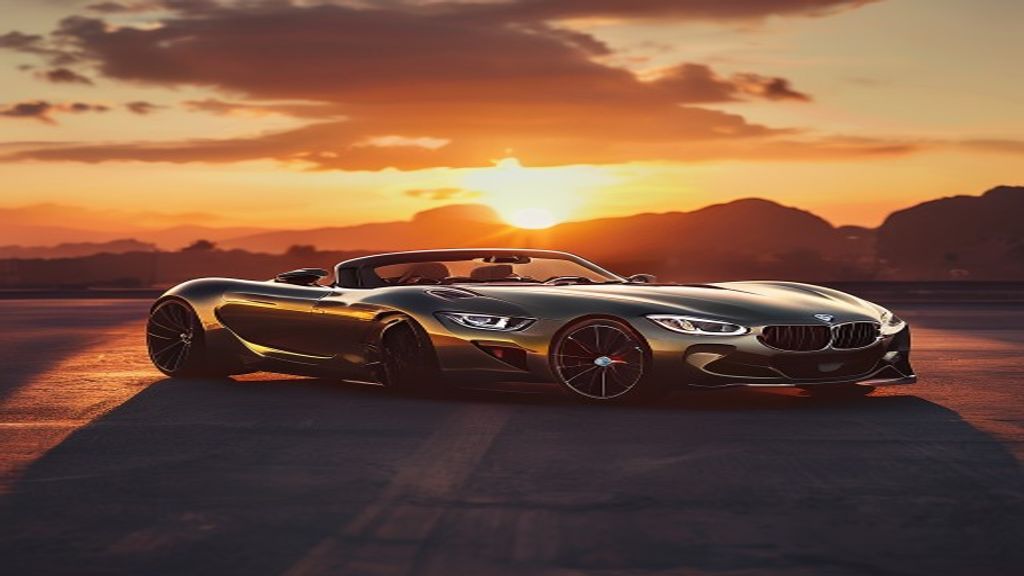
Plate · The Final Drive: BMW Z4 Roadster Concludes Its Production Run, Redefining Automotive Performance Aesthetics
The End of an Era: A Design Icon's Final Lap
In the rarefied atmosphere of high-performance automotive design, certain vehicles transcend mere transportation to become statements of intent, expressions of a carefully curated aesthetic. The BMW Z4 Roadster, a paragon of precision engineering and dynamic styling, has officially concluded its production run, marking the close of a significant chapter for both BMW and the broader landscape of luxury open-top motoring. This cessation isn't just an industrial footnote; it represents the quiet retirement of a machine that, across its three generations, consistently pushed the boundaries of what a performance roadster could be, embodying a techwear sensibility long before the term permeated mainstream fashion discourse. It was a vehicle designed for the discerning, a driver's instrument clad in a skin of unparalleled sophistication and aerodynamic prowess.
Tracing the Lineage: From E85 to G29
The Z4's journey began with the E85, introduced in 2002. Its 'flame surfacing' design, a bold departure from BMW's traditional lines, was a testament to the era's adventurous spirit in automotive fashion. Penned by the visionary Bangle team, it was a sculptural piece, its lines appearing to shift and flow with light, an early articulation of dynamic aesthetics. This first iteration was a provocative statement, unapologetically athletic, and instantly recognizable. It challenged conventional notions of beauty, favoring an almost avant-garde approach to form and function. The interior, an ergonomic cockpit, was crafted with premium materials, offering a bespoke craftsmanship that spoke volumes of its luxury intent.
The E89, launched in 2009, brought a more refined, elegant silhouette, adopting a retractable hardtop that transformed its character from open-air exhilaration to coupe-like security with the press of a button. This generation softened some of the E85's sharper edges, opting for a sleek, more universally appealing design language while retaining its inherent sporting credentials. It embraced a more minimalist design philosophy, integrating technology seamlessly into its luxurious cabin. Its evolution showcased BMW's adaptive approach to design, responding to market demands for both aesthetic grace and practical versatility.
The most recent iteration, the G29, debuted in 2018, returning to a traditional soft-top and embracing a sharper, more aggressive stance. Developed in collaboration with Toyota (yielding the Supra), the G29 Z4 was a masterclass in modern automotive design, blending contemporary lines with classic roadster proportions. Its wider kidney grille, striking LED headlights, and pronounced side vents weren't just stylistic flourishes; they were functional elements contributing to its aerodynamic efficiency and unmistakable presence. The G29 elevated the Z4's status as a high-performance aesthetic statement, with its advanced materials and tech-infused design creating a truly future-forward experience.
Performance Artistry: Engineering Meets Aesthetics
Beyond its striking exterior, the Z4's enduring appeal lay in its meticulous engineering. Each generation was a testament to BMW's commitment to the ultimate driving machine. From the naturally aspirated inline-six engines of the early models to the turbocharged four and six-cylinder powerplants of the later generations, the Z4 consistently delivered exhilarating performance. The chassis tuning, often featuring adaptive M suspension, provided a tactile feedback that connected the driver intimately with the road. This wasn't merely about raw power; it was about the nuanced interplay between engine response, steering precision, and suspension articulation, all contributing to an immersive performance narrative. The ergonomic cockpit was always driver-centric, with every control intuitively placed, reinforcing the Z4's role as an extension of the driver's will. It was a vehicle where form truly followed function, but with an unparalleled sense of style.
Dissecting the Z4's Techwear Legacy
The BMW Z4, in its essence, embodied the core principles of techwear long before the term gained widespread traction in fashion. Techwear, at its heart, is about the fusion of utility, performance, and modern aesthetics—a philosophy perfectly mirrored in the Z4's design and engineering. It wasn't just a car; it was a highly functional, performance-driven piece of automotive architecture, akin to a meticulously crafted technical garment. Its sleek silhouette and aggressive stance were not just for show; they were engineered for optimal airflow and downforce, much like a performance jacket is designed for wind resistance and breathability. The vehicle's construction utilized advanced materials, not just for strength and safety, but for lightweight agility, enhancing its dynamic handling. The interior, with its focus on driver ergonomics and integrated technology, provided an adaptive, intuitive experience, much like a smart wearable.
Consider these elements that firmly plant the Z4 within the techwear lexicon:
- Adaptive Aerodynamics: The careful sculpting of its body panels, vents, and diffusers wasn't merely aesthetic; it managed airflow to optimize performance, reduce drag, and enhance stability at speed. This is the automotive equivalent of a technical fabric's ability to regulate temperature or wick moisture.
- Lightweight Construction: The strategic use of aluminum, high-strength steel, and composites contributed to a lower curb weight, enhancing agility and fuel efficiency. This mirrors the focus on lightweight, durable materials in performance apparel.
- Intuitive Infotainment & Driver-Centric Design: The seamless integration of iDrive, digital instrument clusters, and advanced driver-assistance systems within a minimalist, focused environment speaks to intelligent functionality and user experience—a hallmark of well-designed tech products.
- Performance Textiles & Materials: The choice of interior leathers, Alcantara, and trim materials wasn't just for luxury; it was for durability, tactile quality, and aesthetic consistency, akin to the consideration given to technical fabrics in high-end sportswear.
- Modular Design Principles: While not literally modular, the Z4's platform sharing and component integration demonstrate an efficient, performance-optimized approach to design, allowing for tailored configurations and shared technological advancements.
“The Z4 wasn't merely transported; it was an extension of the driver's intent, a tactile interface between asphalt and ambition, a true piece of performance art.”
The Fashion-Forward Roadster: A Cultural Impact
Beyond its technical prowess, the BMW Z4 held a significant place in the broader cultural tapestry of luxury lifestyle and automotive fashion. Its sleek silhouette and aggressive stance resonated deeply with individuals who valued sophisticated design and understated, yet potent, performance. The Z4 wasn't just a car you drove; it was a statement piece, an accessory to a lifestyle that embraced dynamism, innovation, and an appreciation for finely crafted objects. Its presence in fashion editorials, music videos, and celebrity garages cemented its status as a modern classic, a piece of automotive couture that transcended its utilitarian purpose. It appealed to the style-conscious, those who understood that true luxury lies in the harmonious blend of form, function, and an undeniable sense of presence. Its clean lines and muscular proportions spoke a language of speed and elegance, making it a sartorial statement that transcended mere transportation, an iconic design that influenced broader trends in contemporary design.
“Its lines spoke a language of speed and elegance, a sartorial statement that transcended mere transportation, becoming an essential piece of the luxury lifestyle.”
Beyond the Horizon: What This Means for the Future of Automotive Design
The cessation of Z4 production prompts a crucial reflection on the evolving landscape of luxury performance vehicles. BMW's strategic shifts are clear: a pronounced move towards electrification, the integration of advanced autonomous features, and the exploration of new market segments. The traditional internal combustion engine roadster, with its inherent mechanical complexity and environmental footprint, faces an increasingly challenging future. Will the next generation of open-top performance be entirely electric, offering silent, instant torque and a new kind of sensory engagement? The emphasis will likely shift from raw engine sound to a curated, digitally enhanced driving experience, where sustainable materials and smart technology play an even more dominant role in defining performance aesthetics.
The collaboration with Toyota on the G29 Z4 platform, yielding the highly acclaimed Supra, offers a glimpse into one potential future: shared platforms and design synergies as a means of optimizing development costs and extending the lifecycle of specialized vehicle types. This approach allows brands to pool resources for niche models, ensuring that the spirit of dedicated sports cars can endure in an era of consolidation and technological transformation. The future of luxury performance will undoubtedly embrace hyper-connectivity, adaptive user interfaces, and potentially even more radical design philosophies, moving beyond conventional forms to explore truly futuristic silhouettes. The legacy of the Z4, as a benchmark for driver engagement and aesthetic prowess, will undoubtedly inform BMW's next ventures into the realm of high-performance luxury, ensuring that the spirit of the open-top roadster continues to evolve in unexpected and exciting ways.
Concluding Insights: The Z4's Enduring Legacy
The BMW Z4 Roadster, in all its iterations, was more than just a car; it was a meticulously engineered piece of performance art. Its departure from the production line leaves a void for purists and enthusiasts alike, yet its legacy as a masterclass in automotive design, advanced materials, and dynamic aesthetics is firmly cemented. It represented a bold vision for the modern roadster, a vehicle that seamlessly blended exhilarating driving dynamics with a sophisticated, techwear-inspired aesthetic. From its provocative flame surfacing to its refined, contemporary lines, the Z4 consistently pushed boundaries, setting benchmarks for what a luxury performance open-top could achieve.
In an automotive world increasingly dominated by SUVs and electric sedans, the Z4 stood as a defiant symbol of driving pleasure and unadulterated style. Its impact on automotive fashion, its influence on design trends, and its unwavering commitment to driver engagement will resonate for years to come. As we bid farewell to this iconic machine, we recognize its significant contribution to the narrative of high-performance luxury. The Z4 Roadster may have completed its final drive, but its spirit of innovation, precision, and unparalleled aesthetic prowess will undoubtedly inspire the next generation of BMW's ultimate driving machines, ensuring that the pursuit of automotive excellence continues, albeit in new and electrifying forms.