Armani's Labyrinth: Navigating Luxury's Shifting Sands Amidst a 2.8% Sales Dip in 2025
As Armani navigates a 2.8% sales dip in 2025, we dissect the shifting tectonics of luxury, questioning the very fabric of aspiration in an evolving global market.
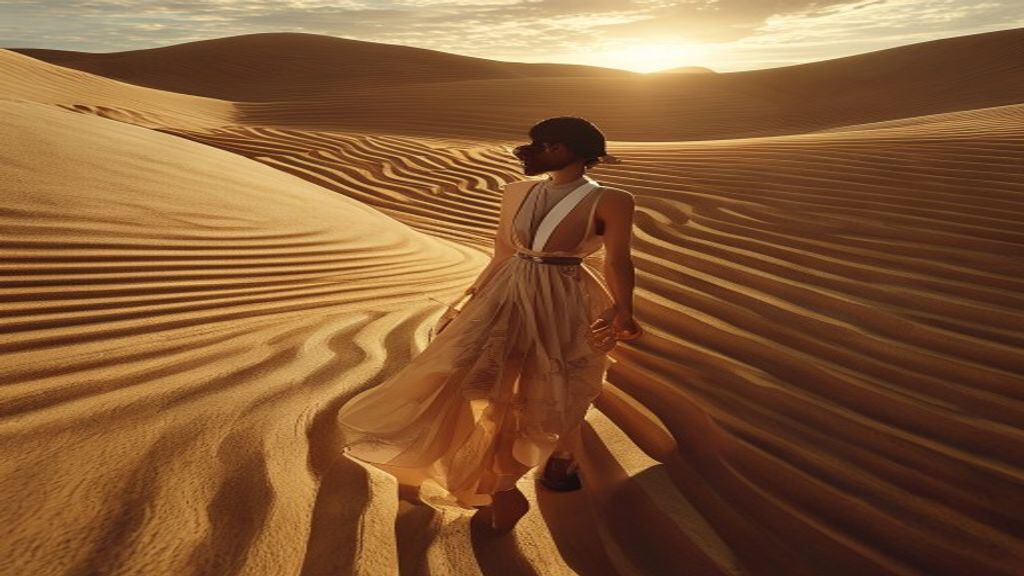
Plate · Armani's Labyrinth: Navigating Luxury's Shifting Sands Amidst a 2.8% Sales Dip in 2025
Armani's Labyrinth: Navigating Luxury's Shifting Sands Amidst a 2.8% Sales Dip in 2025
In the rarefied atmosphere of high fashion, where the ephemeral dance of desire often dictates the rhythm of commerce, even the most formidable bastions of luxury are not immune to the seismic shifts of the global economy. The recent revelation from the Armani Group, reporting a 2.8% decrease in sales for 2025, reverberates through the industry not as a singular tremor, but as a resonant echo of a broader recalibration within the luxury sector. This is not merely a statistic; it is a profound philosophical statement on the evolving landscape of aspiration, identity, and consumption.
For decades, Giorgio Armani has epitomized an unwavering vision of sophisticated elegance, a testament to timeless Italian craftsmanship and an almost monastic devotion to sartorial purity. His empire, spanning from the architectural precision of Armani Privé haute couture to the accessible chic of Emporio Armani and the urban edge of A|X Armani Exchange, has consistently charted a course of dignified success. Yet, the 2025 figures compel us to peer beyond the polished façade and interrogate the subtle forces reshaping the very definition of luxury fashion.
The Shifting Sands of Desire: A Macrocosm of Luxury's Plight
The luxury market, once seemingly impervious to external pressures, finds itself at a pivotal juncture. The post-pandemic surge, fueled by pent-up demand and a fleeting sense of hedonistic abandon, has given way to a more circumspect era. Inflationary pressures, geopolitical uncertainties, and a burgeoning sense of economic fragility have collectively dampened consumer confidence, particularly among the aspirational middle and upper-middle classes who form a significant cohort of premium apparel and accessories purchasers.
The Post-Pandemic Hangover: A Return to 'Quiet Luxury'
The maximalist exuberance that characterized certain segments of the market has begun to wane, supplanted by a growing appetite for what has been termed 'quiet luxury.' This paradigm shift emphasizes understated quality, exceptional materials, and impeccable design over overt branding and ostentatious display. Consumers, particularly the affluent and discerning, are increasingly investing in pieces with enduring value and timeless appeal, rather than succumbing to the transient allure of fleeting fashion trends. This plays directly into Armani's legacy of refined aesthetics, yet the question remains: is the brand effectively communicating this intrinsic value to a new generation of buyers?
The Digital Vortex: Navigating Authenticity and Saturation
The relentless acceleration of the digital transformation has simultaneously democratized and complicated the luxury experience. While e-commerce platforms offer unprecedented reach, they also introduce a cacophony of choice and a struggle for authentic engagement. Social media, once a fertile ground for brand storytelling, now often feels saturated, demanding ever-more innovative and genuine content to capture and retain attention. For a brand steeped in heritage like Armani, the challenge lies in translating its profound legacy and artisanal craftsmanship into compelling digital narratives that resonate with a digitally native audience, from Gen Z to discerning millennials.
“The sartorial scaffolding of aspiration is being tested; even for titans like Armani, the essence of desire is undergoing a profound metamorphosis.”
Deconstructing the Decline: Armani's Specifics in a Broader Context
While the 2.8% dip is modest in isolation, it signals a deeper introspection required within the Armani Group. The brand's foundational strength lies in its consistency – a double-edged sword in an era demanding constant novelty. Is Armani's signature aesthetic, celebrated for its timelessness, perceived as too traditional by segments of the younger, trend-driven market? This is a critical question for any established house.
Geographic Nuances and Market Volatility
The slowdown is not uniform. Reports suggest particular softness in key markets such as China, where economic uncertainties and evolving consumer sentiment have impacted luxury consumption. European markets, while resilient, are also experiencing a deceleration, while the Americas present a mixed picture. Understanding these granular shifts is paramount for refining retail strategy and marketing efforts.
Product Category Performance: A Closer Look
While specific category breakdowns are not public, it is plausible that certain segments, perhaps less differentiated or more susceptible to competitive pressures, have borne the brunt of the slowdown. The high-margin accessories market, often a bellwether for broader luxury trends, might be experiencing a cooling, alongside segments of ready-to-wear that face intense competition from both established players and agile direct-to-consumer brands. Conversely, the bespoke tailoring and haute couture divisions, serving an ultra-high-net-worth clientele, likely remain more insulated, underscoring the enduring power of true exclusivity and personalized service.
The Avant-Garde's Dilemma: Innovation vs. Legacy
How does a brand synonymous with enduring elegance innovate without betraying its very essence? This is the central paradox for houses like Armani. The answer lies not in radical reinvention, but in a nuanced evolution that respects brand legacy while embracing contemporary imperatives.
The Artisanal Imperative: Reaffirming Craftsmanship
In an age of mass production, the value of artisanal craftsmanship becomes ever more pronounced. Armani’s commitment to meticulous tailoring, luxurious fabrics, and unparalleled quality is a powerful differentiator. Emphasizing the human touch, the hours of dedication, and the heritage behind each stitch can rekindle a deeper appreciation for the intrinsic value of Italian fashion. This narrative, if amplified effectively, resonates profoundly with the conscious consumer seeking authenticity and longevity.
Rethinking Retail: Experiential Luxury Beyond Transactions
The role of the physical store is transforming. Flagship boutiques are no longer mere points of sale but immersive environments, cultural hubs, and experiential spaces. Armani has an opportunity to elevate its retail footprint into curated experiences that transcend transactional exchanges, offering bespoke services, private viewings, and cultural engagements that reinforce the brand's sophisticated world. This shift towards experiential luxury is crucial for engaging discerning clients.
Furthermore, the conversation around sustainability is no longer optional but fundamental. Consumers are increasingly scrutinizing the ethical footprint of their purchases. Armani's ongoing efforts in sustainable sourcing, production transparency, and circularity initiatives need to be communicated with clarity and conviction, showcasing a commitment that aligns with modern values. This is not just about compliance; it's about authentic leadership in ethical fashion.
Beyond the Balance Sheet: The Metamorphosis of Aspiration
The 2.8% sales dip is a catalyst for deeper strategic introspection, prompting a re-evaluation of what 'luxury' truly signifies in the mid-2020s. It signals a metamorphosis of aspiration, moving beyond mere acquisition to embrace values such as authenticity, purpose, and personal resonance. For Armani, this moment presents an opportunity to reinforce its core identity while subtly adjusting its trajectory.
Strategic imperatives for navigating this evolving landscape include:
- Reimagine Brand Narrative: Articulate Armani’s timeless elegance and commitment to quality through compelling, digitally-native storytelling that resonates with younger demographics without alienating core clientele.
- Deepen Commitment to Circularity: Further invest in and transparently communicate initiatives around sustainable materials, ethical supply chains, and product longevity, positioning Armani as a leader in responsible luxury.
- Cultivate Bespoke Experiences: Expand personalized services, private appointments, and unique events that offer unparalleled access to the world of Armani, moving beyond product acquisition to foster deep emotional connections.
- Foster Interdisciplinary Creative Dialogues: Explore collaborations with artists, architects, and innovators outside the traditional fashion sphere to inject fresh perspectives and broaden the brand's cultural relevance, while maintaining the integrity of its creative direction.
- Strategic Digital Innovation: Beyond e-commerce, explore the potential of immersive digital experiences, perhaps even venturing into curated metaverse activations that align with the brand’s aesthetic, offering new avenues for engagement and discovery.
Concluding Insights: The Future Fabric of Luxury
The 2.8% sales drop is not a harbinger of decline but a strategic recalibration in the face of an evolving aesthetic paradigm. For the Armani Group, a house built on an unwavering vision of elegance and quality, this moment is less about crisis and more about strategic introspection. The enduring power of Giorgio Armani lies in his singular vision and the unwavering commitment to a refined aesthetic that transcends fleeting trends. The challenge, and indeed the opportunity, lies in translating this formidable brand identity for a new era of global consumers.
The future of high fashion is not merely about surviving economic fluctuations; it is about continuously defining and redefining the very essence of aspiration. It demands agility, authenticity, and an unyielding commitment to the values that underpin true luxury. Armani, with its rich heritage and profound understanding of sartorial excellence, is uniquely positioned to navigate these complex currents, emerging not just intact, but perhaps even more profoundly relevant in the tapestry of global style.
“This is not a retreat, but a strategic recalibration in the face of an evolving aesthetic paradigm, a testament to luxury's eternal dance between tradition and transformation.”