Akio Isshiki Architects Clads This Osaka Residence in a Charred Cedar: A Study in Subtlety and Enduring Style
Akio Isshiki Architects redefine urban living in Osaka with a striking residence enveloped in charred cedar. A testament to wabi-sabi, blending tradition with modern design.
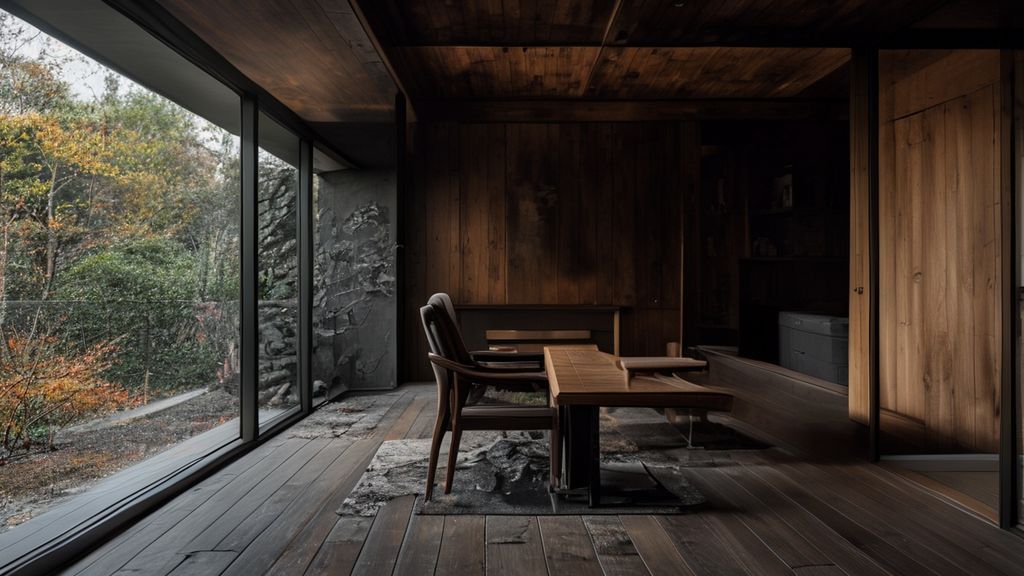
Plate · Akio Isshiki Architects Clads This Osaka Residence in a Charred Cedar: A Study in Subtlety and Enduring Style
In the vibrant, often bustling heart of Osaka, where the rhythm of urban life dictates a relentless pace, Akio Isshiki Architects has sculpted a dwelling that stands as a quiet defiance. This residence, enveloped in the profound, textural embrace of charred cedar, is more than a mere structure; it is a sartorial statement in architectural form. It speaks to a discerning aesthetic, a commitment to enduring quality, and a profound respect for material integrity – principles that resonate deeply within the echelons of premium fashion.
The choice of charred cedar, a material steeped in Japanese tradition and known as Shou Sugi Ban, is not merely a design flourish but the very essence of the home’s identity. It imbues the edifice with a timeless elegance, an understated luxury that eschews fleeting trends for a deeper, more authentic expression. Much like a meticulously tailored garment crafted from the finest natural fibers, this residence offers a tactile and visual experience that evolves, gaining character with each passing season. Akio Isshiki’s vision articulates a contemporary interpretation of Japanese minimalism, where every element is considered, every surface tells a story, and the architecture itself becomes a curated extension of a refined lifestyle.
The Art of Shou Sugi Ban: A Material Reimagined
The application of Shou Sugi Ban on the Osaka residence is a masterclass in leveraging traditional techniques for contemporary relevance. Originating centuries ago in Japan, this method involves charring cedar planks, cooling them, cleaning them of soot, and then finishing them with natural oil. The process transforms the wood, rendering it highly resistant to fire, rot, pests, and the capricious elements. Beyond its formidable durability, Shou Sugi Ban bestows a unique aesthetic: a deep, lustrous black that, under varying light conditions, reveals a rich spectrum of charcoal grays and subtle silvery sheens. The surface becomes inherently textured, a testament to the wood’s natural grain magnified by the charring process.
This material choice mirrors the ethos of sustainable luxury prevalent in high fashion. Just as designers champion natural dyes and artisanal processes to create garments that are both beautiful and ethically sound, Akio Isshiki Architects embraces Shou Sugi Ban for its ecological benefits and its ability to provide a natural, long-lasting finish. It’s an architectural equivalent of slow fashion – an investment in quality and longevity that transcends the ephemeral nature of mass-produced goods. The cedar, once a living entity, gains a new life, its charred skin acting as a protective, elegant shield. It’s a sophisticated material narrative, where resilience is intrinsically linked with refinement, and the passage of time only enhances its intrinsic beauty.
Crafting Resilience and Refinement
The exterior cladding of the Osaka residence is a testament to meticulous craftsmanship. Each cedar plank, individually charred and sealed, contributes to a monolithic yet dynamic facade. The deep, almost velvety black absorbs and reflects light in a captivating dance, transforming the building's appearance throughout the day. In the harsh midday sun, it might appear stark and graphic; as dusk settles, it softens, revealing nuanced textures and a profound depth. This textural interplay is a hallmark of truly premium design, akin to the subtle variations found in raw silk or the intricate weave of a bespoke tweed jacket.
"The charred cedar is more than a surface; it is the building's enduring garment, designed to age gracefully, reflecting a profound understanding of time and material."
The tactile quality of the Shou Sugi Ban is equally compelling. While visually smooth from a distance, proximity reveals a nuanced, almost sculptural surface. This invites touch, creating a sensory experience that elevates the residence beyond mere shelter. It speaks to a desire for authenticity and a connection to natural elements, even within an urban environment. This commitment to a rich, sensory experience through material is a shared characteristic with discerning fashion, where the feel of cashmere against the skin or the drape of a perfectly cut fabric defines luxury.
Architectural Dialogue: Form Meets Function in Osaka
Akio Isshiki Architects’ design for this Osaka residence is a powerful dialogue between minimalist form and functional necessity. The building’s silhouette is clean, precise, and unapologetically contemporary, yet it possesses a quiet dignity that roots it firmly in its Japanese context. The dark, monolithic exterior creates a striking contrast with the often-bright and cluttered urban landscape, establishing the residence as a sanctuary, a private haven. The architectural language is one of restraint, where extraneous details are stripped away to reveal the essential beauty of form and material.
Internally, this ethos of minimalist design continues, though with a deliberate shift in palette to foster warmth and serenity. Concrete, typically perceived as cold, is softened by the strategic integration of light woods, plaster, and an abundance of natural light. The spatial arrangement is fluid, designed to maximize both privacy and a sense of openness. Thoughtful apertures frame views of the sky or carefully curated internal courtyards, blurring the lines between indoor and outdoor, urban and natural. This seamless integration of elements creates a living experience that is both highly functional and deeply contemplative.
The Interior Landscape: A Sanctuary of Serenity
Within the charred cedar shell lies an interior landscape meticulously crafted for tranquility. Sunlight filters through strategically placed windows and skylights, illuminating surfaces and creating dynamic patterns of light and shadow that shift throughout the day. Custom furnishings, often integrated into the architecture, maintain the clean lines and understated aesthetic. Materials like polished concrete, smooth plaster, and light-toned timber create a harmonious, monochromatic palette that fosters a sense of calm and order. Every detail, from the choice of fixtures to the placement of built-in storage, reflects a commitment to bespoke design and thoughtful living.
"Inside, the architecture unfolds as a series of curated moments, where light, material, and space converge to create an unparalleled sense of calm and considered living."
The design embraces the Japanese concept of wabi-sabi – finding beauty in imperfection and transience – by allowing natural materials to express their inherent qualities and to age gracefully. This is evident in the subtle textures of the walls, the grain of the wood, and the way light interacts with each surface. The interior is not merely decorated; it is composed, much like a carefully assembled capsule wardrobe where each piece is chosen for its quality, versatility, and enduring appeal. It's an environment that encourages mindful living, offering a respite from the external world and a stage for a truly curated lifestyle.
Fashion's Echo: Timelessness and Texture
The parallels between Akio Isshiki’s Osaka residence and the world of high fashion are striking and intentional. The charred cedar cladding, with its deep hue and robust texture, serves as the building’s primary fabric – a sophisticated, protective layer that defines its presence. This architectural choice resonates with the principles espoused by designers celebrated for their understated elegance and material focus, such as Yohji Yamamoto, Rei Kawakubo of Comme des Garçons, and Issey Miyake. These pioneers of Japanese fashion have consistently championed garments that prioritize form, texture, and a monochromatic palette, often challenging conventional notions of beauty and luxury.
Consider the shared values: authenticity, craftsmanship, and longevity. The process of Shou Sugi Ban is an artisanal craft, much like haute couture, where meticulous attention to detail transforms raw material into something extraordinary and enduring. The resulting texture of the cedar, with its subtle variations and tactile depth, finds its fashion equivalent in the intricate weaves of raw silk, the luxurious feel of un-dyed cashmere, or the lived-in patina of artisanal leather. These are materials chosen not for their fleeting trendiness but for their inherent quality and the way they develop character over time.
The residence’s monochromatic palette, predominantly dark on the exterior and subtly nuanced within, mirrors the aesthetic often seen on high fashion runways, where a limited color scheme allows the form, drape, and texture of the fabric to take center stage. This approach speaks to a confidence in design, a belief that true luxury lies not in overt embellishment but in the integrity of the material and the precision of the cut. It’s about a quiet power, a sophisticated restraint that communicates discerning taste without needing to shout.
Furthermore, the emphasis on sustainability in the building’s construction, from the natural preservation of the cedar to its long lifespan, aligns perfectly with the growing movement towards ethical design and slow fashion principles. In an era of disposable goods, both the Akio Isshiki residence and the most respected fashion houses advocate for investments in quality pieces that are built to last, reducing waste and fostering a deeper appreciation for the provenance and creation process. This convergence of values positions the Osaka residence not just as a piece of architecture, but as a holistic statement on modern living and timeless style.
Concluding Insights: The Enduring Allure of Understated Design
The Akio Isshiki Architects’ Osaka residence, clad in its striking charred cedar, is a profound testament to the power of considered design. It seamlessly marries traditional Japanese techniques with a contemporary minimalist aesthetic, forging an urban sanctuary that is both deeply rooted and forward-looking. This project transcends mere building; it offers a blueprint for a refined way of living, demonstrating that true luxury resides in authenticity, durability, and a harmonious connection to one’s surroundings.
In a world increasingly saturated with visual noise, this residence stands as a beacon of quiet sophistication. Its enduring allure lies in its ability to communicate depth and elegance through restraint, its surfaces telling stories of craft and resilience. Much like a perfectly tailored, premium garment, it promises not only protection and function but also an elevation of the everyday experience. Akio Isshiki Architects has not just built a home; they have curated an environment that embodies sustainable luxury and architectural fashion, inspiring a deeper appreciation for the beauty found in simplicity, material integrity, and the passage of time.