Architectural Alchemy: Akio Isshiki Architects' Charred Cedar Statement in Osaka
Akio Isshiki Architects' Osaka residence redefines urban luxury with a dynamic charred cedar facade, a testament to enduring design and sophisticated material performance.
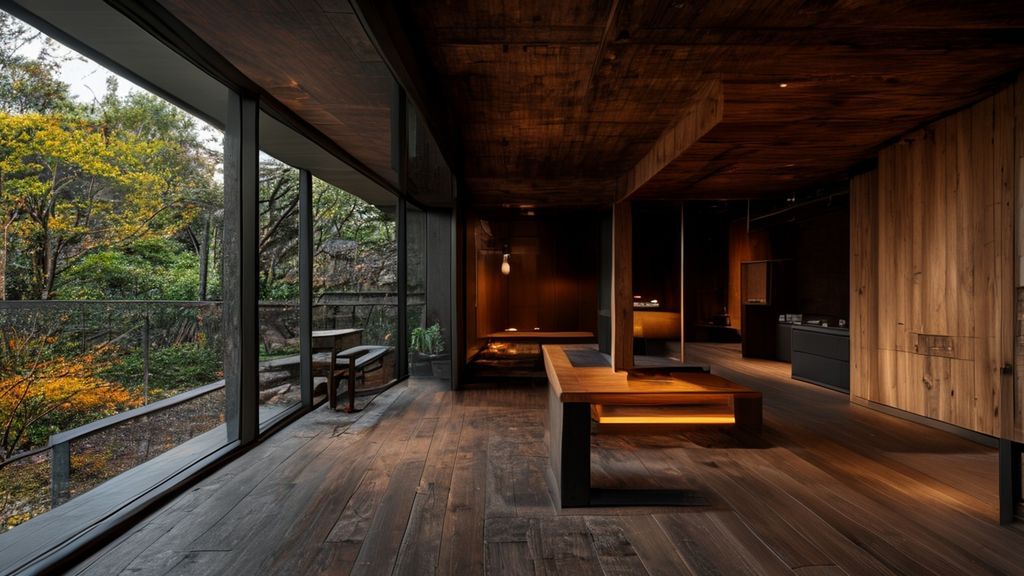
Plate · Architectural Alchemy: Akio Isshiki Architects' Charred Cedar Statement in Osaka
Osaka, a metropolis pulsating with innovation and tradition, often presents a dichotomy of old and new. Yet, amidst its dynamic urban fabric, Akio Isshiki Architects has unveiled a residential project that masterfully synthesizes these forces, not merely as a structure but as a high-performance sartorial statement. Clad in the ancient, yet perpetually modern, technique of charred cedar – Shou Sugi Ban – this Osaka residence transcends mere shelter to become an architectural garment, precisely tailored for its environment and its inhabitants. It's an exercise in material intelligence, where traditional craft meets contemporary exigency, culminating in a dwelling that is as resilient as it is refined.
The Art of Shou Sugi Ban: A Legacy Reimagined
The choice of Shou Sugi Ban, or yakisugi, is far from a mere aesthetic whim; it's a profound declaration of intent. This traditional Japanese method of preserving wood by charring its surface has been practiced for centuries, primarily for its natural waterproofing and insect-repelling properties. Akio Isshiki Architects, however, elevates this heritage technique, recontextualizing it within a framework of modern architectural performance. The cedar, meticulously charred to a specific depth, develops a carbonized layer that is not only visually striking but also imbues the material with unparalleled durability and a unique tactile quality.
“The facade is not just a skin; it's an engineered textile, a high-performance membrane designed to interact dynamically with its environment.”
In a world increasingly driven by synthetic materials and fleeting trends, the embrace of Shou Sugi Ban speaks to a deeper appreciation for sustainable luxury and enduring design. It's a testament to the idea that true innovation often lies in perfecting and reapplying time-honored methods with a contemporary vision. The process involves carefully burning the wood surface, cooling it, cleaning it, and then often sealing it with natural oils. This meticulous craft ensures that each plank contributes to a cohesive, yet subtly varied, exterior canvas.
Material Intelligence: Beyond the Surface
The performance benefits of charred cedar are manifold, making it an ideal choice for a demanding urban environment. From a technical perspective, the carbonized layer acts as a natural barrier:
- Enhanced Durability: The charring process makes the wood significantly more resistant to rot, fungi, and insects, extending its lifespan considerably.
- Fire Resistance: Counter-intuitively, the charred surface provides a degree of fire resistance, as the already burnt layer makes it harder for flames to ignite the underlying wood.
- Weatherproofing: The sealed surface naturally repels water, minimizing moisture absorption and preventing warping or cracking, crucial for Osaka's humid climate.
- Low Maintenance: Once installed, Shou Sugi Ban requires minimal ongoing maintenance, aligning with the ethos of intelligent, long-term design.
This material intelligence is precisely what aligns the project with the principles of techwear – where every component, every stitch, serves a functional purpose while contributing to an overarching aesthetic of sophisticated utility. The cedar planks are not merely decorative; they are active performers in the building's climate control and structural integrity.
Precision Engineering: Form Meets Function
Akio Isshiki Architects’ application of Shou Sugi Ban is a masterclass in precision engineering. The individual cedar planks are arranged with a deliberate rhythm, creating a façade that exhibits both uniformity and nuanced variation. The deep, matte black finish, punctuated by the natural grain and occasional silvering of the charred wood, offers a dynamic visual texture that shifts with the light. This creates a compelling interplay of shadow and depth, giving the residence an almost sculptural presence.
The careful detailing extends to the joinery and transitions, where the charred cedar meets other materials, such as minimalist glazing and sleek metal accents. These interfaces are executed with surgical precision, ensuring a seamless flow and reinforcing the building's monolithic yet refined silhouette. It’s a design philosophy that mirrors the high-fashion approach to garment construction, where the cut, drape, and finish are paramount to the overall aesthetic and functional performance.
Aesthetic Code: Minimalism with Maximal Impact
The aesthetic of the Osaka residence is one of understated power. The dark, almost obsidian, exterior of the charred cedar provides a stark yet elegant contrast to the vibrant, often chaotic, backdrop of urban Osaka. This minimalist aesthetic is not about absence, but about intentionality and focus. The building commands attention not through overt ornamentation, but through its compelling texture, clean lines, and profound material presence. It speaks a language of quiet confidence, a signature of bespoke luxury.
Tactile Narratives: Interior Resonance
While the exterior is a bold statement in performance materials, the interiors offer a counterpoint of serene refinement. Akio Isshiki Architects masterfully extends the material narrative inwards, employing a curated palette of natural wood, polished concrete, and crisp white walls. This creates a spatial dialogue where the robust, protective exterior gives way to an interior of tranquil warmth and minimalist elegance. Large windows strategically frame views of the city, blurring the lines between the urban environment and the private sanctuary within, much like a well-designed technical garment offers both protection and connection to the wearer's surroundings.
The textural depth of the charred cedar is subtly echoed in the interior through exposed timber beams or meticulously crafted wooden details, maintaining a cohesive design language. This thoughtful integration ensures that the residence feels like a holistic, intelligently designed system, from its outermost layer to its innermost core.
The Urban Canvas: Contextual Performance
The residence performs not only as an individual structure but also as an integral component of its urban canvas. Its dark, monolithic form provides a grounding presence within the diverse architectural landscape of Osaka. It respects its context while simultaneously pushing the boundaries of what a modern urban dwelling can be. The building’s intelligent design considers pedestrian interaction, visual impact from various vantage points, and its long-term contribution to the city's aesthetic fabric. It is a piece of architectural couture, tailored specifically for its place.
Sustainable Luxury: A Forward-Looking Blueprint
Beyond its immediate aesthetic and performance attributes, the Akio Isshiki Architects’ Osaka residence stands as a blueprint for sustainable luxury. The use of a natural, renewable resource like cedar, enhanced by a traditional, chemical-free preservation method, underscores a commitment to eco-conscious design. The longevity and low maintenance requirements of Shou Sugi Ban further contribute to a reduced environmental footprint over the building's lifecycle. This is not merely about being green; it's about intelligent resource management and crafting structures that are built to last, embodying true value beyond ephemeral trends.
In an era demanding greater accountability from the design and construction industries, this project offers a compelling model. It demonstrates that high-performance architecture can be achieved through a harmonious blend of ancient wisdom and contemporary innovation, resulting in a building that is both deeply rooted and forward-looking.
Concluding Insights: The Future of Architectural Apparel
The Akio Isshiki Architects' Osaka residence is more than just a house; it's a profound statement on the future of architectural design, viewed through the lens of high-performance fashion. It exemplifies how buildings can be conceived as 'architectural apparel' – meticulously crafted, highly functional, and aesthetically resonant garments for living. The charred cedar facade acts as a premium, technical textile, offering protection, durability, and a dynamic visual appeal that evolves with time and light.
This project signals a shift towards an appreciation for materials that tell a story, methods that endure, and designs that prioritize both form and function with equal rigor. As we move forward, expect to see more architects embracing this philosophy: designing structures that are not only shelters but also sophisticated performers, elegantly tailored to their environment and the discerning individuals who inhabit them. Akio Isshiki Architects has delivered a masterclass in this evolving paradigm, crafting an Osaka icon that is both deeply traditional and defiantly avant-garde, a true testament to the power of thoughtful, high-performance design.