The Enduring Allure of the Air Jordan 3: A New, Region-Exclusive Drop Signals a Shift Towards Conscious Collectibles
Jordan Brand unveils a limited Air Jordan 3 'Desert Elephant' colorway, sparking conversation on conscious consumption and the future of sneaker culture's environmental footprint.
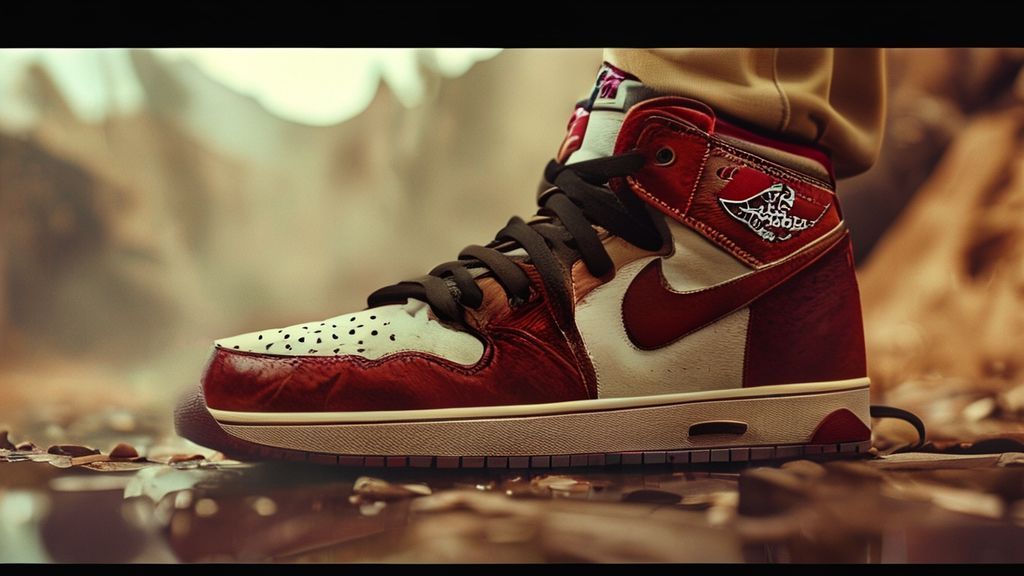
Plate · The Enduring Allure of the Air Jordan 3: A New, Region-Exclusive Drop Signals a Shift Towards Conscious Collectibles
The Enduring Allure of the Air Jordan 3: A New, Region-Exclusive Drop Signals a Shift Towards Conscious Collectibles
In the rarefied air of luxury fashion and high-stakes streetwear, few silhouettes command the reverence and global appeal of the Air Jordan 3. A true icon, born from the innovative mind of Tinker Hatfield and immortalized on the feet of Michael Jordan, its legacy transcends mere athletic footwear. It’s a cultural touchstone, a canvas for storytelling, and a barometer for the evolving tastes of a discerning global audience. Now, as Jordan Brand prepares to unleash a brand-new, region-exclusive colorway – the much-anticipated ‘Desert Elephant’ – the fashion world watches with bated breath, not just for the aesthetic marvel, but for the deeper implications it holds for sustainable fashion and the future of sneaker culture.
This latest iteration of the Air Jordan 3, with its rich, earthy tones and signature elephant print, is poised to ignite a frenzy among collectors. Yet, for those of us deeply invested in the discourse of eco-conscious design and mindful consumption, a new drop – particularly one steeped in exclusivity – presents a compelling paradox. How do we reconcile the undeniable desire for these exquisite pieces of design with the urgent imperative to reduce our collective environmental footprint? This article delves into the nuances of this release, exploring its place within the broader movement towards a more responsible, yet equally desirable, future for premium sneakers.
The Genesis of an Icon: Air Jordan 3's Unrivalled Legacy
To understand the significance of any new Air Jordan 3 release, one must first appreciate its foundational role in sneaker history. Introduced in 1988, the AJ3 was a game-changer. It was the first Jordan shoe designed by Tinker Hatfield, marking a pivotal moment for both the brand and sneaker design as a whole. Hatfield’s genius lay in his ability to blend performance with unparalleled aesthetic appeal. Key innovations included the visible Air unit in the heel, the iconic elephant print overlays, and the groundbreaking Jumpman logo, which replaced the Wings logo on the tongue. These elements cemented the Air Jordan 3’s status, propelling it beyond the basketball court into the realm of high fashion and streetwear.
“The Air Jordan 3 isn't just a shoe; it’s a piece of wearable art, a testament to design innovation that continues to captivate generations. Its legacy demands we consider its future through a lens of responsibility.”
Its enduring appeal lies in its versatility and timeless design. From its debut, it transcended athletic functionality, becoming a symbol of aspiration and style. Celebrities, musicians, and fashion icons have all embraced the AJ3, solidifying its position as a cultural phenomenon. This deep-rooted heritage makes every new colorway a significant event, but the 'Desert Elephant' arrives at a time when the conversation around production, consumption, and longevity in fashion has never been more critical.
A Conscious Drop: Decoding the Region-Exclusive Strategy of the 'Desert Elephant'
The 'Desert Elephant' colorway itself is a masterful exercise in subtle sophistication. Featuring rich brown and tan hues, juxtaposed with the classic black and white elements, it evokes a sense of natural elegance and rugged refinement. The tactile elephant print, a hallmark of the AJ3, is rendered in a way that feels both familiar and refreshingly contemporary. The decision to release this particular iteration exclusively in select regions adds another layer of intrigue and, crucially, complexity to the sustainability discussion.
The Double-Edged Sword of Exclusivity
Region-exclusive drops are a time-honored strategy in the world of collectible footwear. They fuel hype, generate immense demand, and create a sense of urgency among collectors. From a purely business perspective, it's a brilliant move to manage supply and demand, ensuring a rapid sell-out. However, from a sustainable fashion standpoint, the implications are multifaceted:
- Reduced Global Shipping?: Theoretically, restricting a release to specific regions could reduce the overall carbon footprint associated with global shipping and logistics, provided consumers don't resort to extensive international reselling.
- Artificial Scarcity & Overconsumption: The flip side is that artificial scarcity can drive frantic purchasing, potentially leading to consumers buying multiple pairs or paying exorbitant prices on the secondary market, which often involves more shipping.
- Hype vs. Longevity: Does the intense hype around exclusive drops encourage thoughtful investment in a product's longevity, or does it merely fuel a cycle of 'cop or drop' consumerism that mirrors fast fashion?
The 'Desert Elephant' is undoubtedly a beautiful addition to the Air Jordan 3 lineage. But its exclusivity compels us to ask: Is this strategy truly aligned with the principles of ethical fashion, or is it merely a sophisticated marketing tactic that inadvertently exacerbates the environmental impact of sneaker production?
Beyond Hype: The Environmental Cost of Sneaker Drops
The journey of a sneaker from concept to consumer is far from benign. The production process for footwear, particularly those involving complex designs and multiple materials like the Air Jordan 3, carries a significant environmental burden. Key areas of concern include:
- Materials Sourcing: Leather, while durable, has a substantial environmental impact from livestock farming and tanning processes. Synthetic materials like polyurethane and EVA foam, commonly used in midsoles and uppers, are often petroleum-derived and non-biodegradable.
- Manufacturing Processes: Energy-intensive factories, water usage for dyeing and finishing, and the generation of waste materials all contribute to a sneaker's carbon footprint. Adhesives and solvents used in assembly can also pose environmental and health risks.
- Logistics and Global Shipping: Even with region-exclusive drops, the global supply chain for raw materials and components means vast distances are covered before a shoe reaches its final destination. Air freight, in particular, is a major contributor to greenhouse gas emissions.
- Consumer Behavior & Waste: The rapid cycle of new releases encourages consumers to constantly seek the next big thing, often discarding or neglecting older pairs. The sheer volume of sneakers produced annually, many of which end up in landfills, is a stark reminder of the problem. The burgeoning resale market, while extending product life, also adds layers of packaging and shipping.
“Every new sneaker drop, no matter how coveted, carries an environmental price tag. The challenge for brands and consumers alike is to acknowledge this cost and actively seek ways to mitigate it.”
Innovating for Tomorrow: Jordan Brand's Sustainable Strides (and Opportunities)
It would be disingenuous to suggest that Jordan Brand, and its parent company Nike, are entirely oblivious to these challenges. Nike's 'Move to Zero' initiative is a public commitment to achieving zero carbon and zero waste, incorporating recycled materials and exploring more sustainable manufacturing practices. We've seen significant strides in other product lines, utilizing materials like:
- Recycled Polyester: Made from plastic bottles, reducing reliance on virgin petroleum.
- Recycled Rubber: Ground-up waste rubber from factories and old shoes, used in outsoles.
- Flyknit Technology: Engineered to reduce material waste during production.
However, the question remains: Are these initiatives sufficiently integrated into high-profile, limited-edition releases like the Air Jordan 3 'Desert Elephant'? While specific details about the sustainable composition of this particular colorway are often scarce, the expectation for transparency is growing. Consumers, particularly in the luxury and premium segments, are increasingly demanding to know the provenance and environmental credentials of their purchases. For a brand with the global influence of Jordan, every release is an opportunity to lead by example, pushing the boundaries of sustainable materials and ethical production.
The Consumer's Role: Mindful Collecting in a New Era
Ultimately, the responsibility for a more sustainable future in fashion doesn't rest solely with brands. Consumers, especially those who engage in mindful collecting, play a pivotal role. For enthusiasts of the Air Jordan 3 'Desert Elephant' and similar drops, conscious choices can make a difference:
- Invest in Longevity: Choose quality over quantity. A well-made pair of Air Jordan 3s, cared for properly, can last for years, reducing the need for constant replacements.
- Consider the Resale Market: Buying pre-owned sneakers or selling your own unworn pairs can extend product lifecycles, contributing to a more circular fashion economy.
- Care and Repair: Proper cleaning, storage, and timely repairs can significantly prolong the life of your sneakers, reducing waste.
- Demand Transparency: Support brands that are open about their supply chains, materials, and environmental commitments. Use your purchasing power to encourage greater sustainability.
The Future of Sneaker Culture: Balancing Desire with Responsibility
The Air Jordan 3 'Desert Elephant' is more than just a new colorway; it’s a microcosm of the larger challenges and opportunities facing the fashion industry. It embodies the tension between the irresistible allure of newness and exclusivity, and the pressing need for environmental stewardship. As fashion innovation continues to accelerate, the conversation around authenticity, craftsmanship, and heritage must now be inextricably linked with sustainability.
“The true mark of luxury in the 21st century will not just be about exclusivity, but about responsibility. Brands that can master this balance will define the next era of desirable fashion.”
The future of sneaker culture lies not in abandoning the thrill of the chase, but in redefining it. It's about moving towards a model where desirability is intertwined with durability, where exclusivity is earned through ethical practices, and where every purchase is a conscious investment in a product and a planet. The Air Jordan 3, with its storied past and promising future, has the potential to lead this charge, proving that iconic style and environmental responsibility can, and must, coexist.
Concluding Insights: A Call to Conscious Collecting
The release of the Air Jordan 3 'Desert Elephant' is a momentous occasion for collectors and a critical juncture for the industry. While the immediate focus will undoubtedly be on its aesthetic appeal and limited availability, the deeper conversation must revolve around its place within a sustainable ecosystem. Jordan Brand, as a titan of the industry, holds immense power to shape consumer behavior and push for greener practices. For us, the discerning consumers and passionate collectors, the power lies in our choices. By demanding transparency, prioritizing longevity, and embracing the principles of circular fashion, we can ensure that the legacy of icons like the Air Jordan 3 continues to thrive, not just as symbols of unparalleled style, but as beacons of responsible luxury.