Beyond the Swoosh: Unearthing Tiger Woods' Early Style Evolution and its Enduring Impact
Before the iconic red shirt, Tiger Woods' early golf attire subtly shaped the future of sportswear. We delve into his pre-brand style, a testament to timeless elegance.
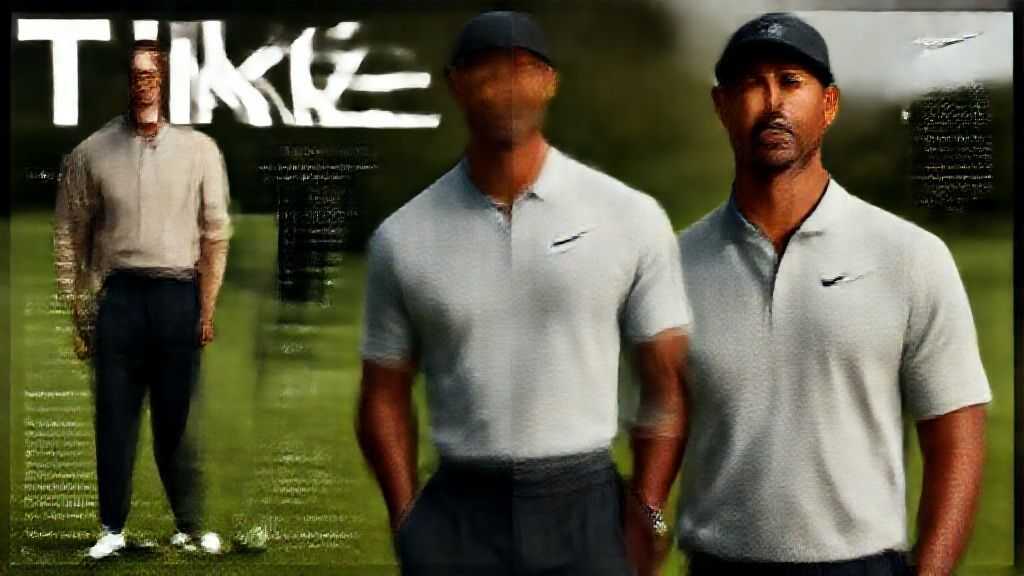
Plate · Beyond the Swoosh: Unearthing Tiger Woods' Early Style Evolution and its Enduring Impact
The Formative Years: A Glimpse into Amateur Elegance
Before the ubiquitous red polo and the unmistakable swoosh became synonymous with his name, Tiger Woods' sartorial journey was a nuanced exploration of classic golf aesthetics. His early years, from junior prodigy to collegiate phenom, offer a fascinating study in authentic athletic style, a period untainted by overt branding, yet deeply influential. This era, often overshadowed by his later commercial dominance, reveals a foundational wardrobe built on principles that, in retrospect, resonate strongly with contemporary sustainable fashion tenets: quality, longevity, and timeless design.
In the nascent stages of his career, particularly through the late 1980s and early 1990s, the golf course was a canvas for traditional menswear. Woods, even as a teenager, gravitated towards garments that spoke of heritage and understated sophistication. His choices were less about fleeting trends and more about enduring elegance, a stark contrast to the fast-fashion cycles that would later dominate the industry. This commitment to classic silhouettes, often crafted from robust, natural fibers, inadvertently positioned his early wardrobe as a blueprint for mindful consumption long before the term entered the mainstream lexicon.
"His early wardrobe wasn't just clothing; it was a quiet declaration of confidence, built on the bedrock of classic design and enduring quality."
The Polo: A Foundation of Function and Form
The polo shirt, an undeniable cornerstone of golf attire, was central to Woods' early ensemble. Far from the performance-driven synthetics that would later flood the market, his polos were predominantly crafted from breathable cotton pique. These shirts, with their classic three-button plackets and ribbed collars, offered a sophisticated yet practical solution for the demands of the game. The fabrication allowed for natural ventilation and a comfortable handfeel, prioritising the wearer's comfort and the garment's durability.
His color palette was often subdued, favoring earthy tones, classic navies, forest greens, and crisp whites. These versatile hues ensured that each piece could be easily integrated into a cohesive and enduring wardrobe, minimizing the need for constant replenishment. This approach aligns perfectly with sustainable fashion's emphasis on building a capsule collection of versatile, high-quality staples that transcend seasonal fads. The inherent resilience of these natural fibers meant the garments were built to last, resisting the wear and tear of countless rounds and washes, thereby extending their lifecycle significantly.
Trousers and Shorts: The Art of Understated Tailoring
Complementing his classic polos were trousers and shorts that echoed the prevailing menswear trends of the era, while still adhering to the functional requirements of golf. Pleated trousers, a staple of the late 20th century, offered a relaxed fit that facilitated a full range of motion, crucial for an athletic swing. These were often crafted from wool blends or sturdy cotton twills, materials chosen for their drape, durability, and ability to withstand the rigors of competitive play.
The fit, while more generous than today's slim-cut styles, was never sloppy. It spoke to a preference for comfort and freedom, an early indication of an athlete prioritizing performance without sacrificing sartorial dignity. Shorts, when worn, maintained a similar tailored sensibility, often reaching just above the knee, paired with knee-high socks – a nod to traditional golf etiquette. This focus on well-constructed garments, designed for both aesthetic appeal and practical longevity, underscores a sustainable approach to dressing, where investment in quality pieces outweighs the fleeting allure of disposable fashion.
Turning Professional: Subtle Shifts and Enduring Classics
As Tiger Woods transitioned from amateur sensation to professional golfer, his style underwent subtle refinements rather than radical overhauls. This period, just before his full immersion into the Nike brand, saw him experimenting within the confines of classic golf wear, occasionally embracing bolder accents while retaining his core commitment to timeless design. It was a testament to his burgeoning individuality, expressed through thoughtful choices in color and texture, rather than overt branding.
He continued to favor brands that prioritized quality and heritage, selecting garments that offered both superior functionality and a refined aesthetic. The fabric choices remained paramount, with a continued emphasis on natural fibers and durable blends that promised longevity and comfort in diverse climatic conditions. This deliberate curation of his wardrobe, even as his fame ascended, highlighted a conscious decision to invest in pieces that would serve him reliably, a philosophy inherently aligned with the principles of slow fashion.
"His professional debut revealed a nuanced evolution: an athlete subtly asserting his unique style within the revered traditions of the game."
Knitwear and Outerwear: Layering with Purpose
The unpredictable nature of golf courses, with their varying microclimates, necessitated a thoughtful approach to layering. Woods' early knitwear collection featured classic V-neck sweaters, crewnecks, and even cardigans, often in fine-gauge merino wool or cotton blends. These pieces were not merely decorative; they served a crucial function, providing warmth and flexibility without hindering his swing. The natural breathability and moisture-wicking properties of merino wool, in particular, made these garments high-performing yet inherently luxurious.
Outerwear during this period consisted of classic windbreakers and lightweight jackets, designed for protection against the elements without adding bulk. These were typically crafted from durable, weather-resistant fabrics, often in neutral tones that ensured versatility. The emphasis was always on utility, quality construction, and timeless design – characteristics that define sustainable outerwear. Investing in such durable, multi-functional pieces reduces the need for frequent replacements, embodying a truly eco-conscious approach to dressing for sport.
Footwear and Accessories: The Details That Define
Even the minutiae of his early attire spoke volumes about Woods' approach to style. His golf shoes, before the advent of highly stylized athletic footwear, were typically classic leather designs. These traditional shoes, often in black or white, featured sturdy construction, a testament to craftsmanship and durability. They were built to last, providing stability and comfort through 18 holes and beyond, a stark contrast to the rapid obsolescence often seen in modern performance footwear.
Accessories, such as belts and caps, were equally understated. Leather belts with classic buckles completed his tailored look, while baseball caps, often devoid of prominent logos, served a practical purpose of sun protection. The absence of overt branding on many of these early pieces allowed the quality of the materials and the purity of the design to take center stage, celebrating the inherent beauty of well-made items. This focus on functional elegance, where every element served a purpose and was chosen for its lasting appeal, is a hallmark of truly sustainable style.
A Sustainable Lens: The Unintentional Eco-Warrior
Looking back through a contemporary sustainable fashion lens, Tiger Woods' pre-brand style offers profound insights. While he certainly wasn't consciously aiming to be an eco-warrior, his sartorial choices inherently embodied many principles of mindful consumption and slow fashion. His wardrobe was a masterclass in investing in quality over quantity, a philosophy that stands in direct opposition to the environmental degradation caused by fast fashion.
The prevalence of natural fibers like cotton and wool in his early clothing, chosen for their comfort and performance, also aligns with sustainable practices, particularly when sourced responsibly. These materials are generally biodegradable and, when cared for properly, offer exceptional longevity. His preference for classic cuts and timeless colors ensured that his garments never felt dated, extending their wearable life far beyond a single season. This 'buy less, choose well, make it last' ethos, inherent in his early style, is the very foundation of a sustainable wardrobe.
Furthermore, the durability and versatility of his pieces meant they could be mixed and matched, creating numerous outfits from a relatively compact collection. This modular approach to dressing minimizes waste and encourages a deeper appreciation for each garment. His early style wasn't about fleeting trends or conspicuous consumption; it was about performance, comfort, and an understated elegance that transcended the temporal. It’s a powerful reminder that true style, rooted in quality and timeless design, is inherently sustainable.
"His early style wasn't a conscious sustainable choice, but an intuitive one: an athlete valuing quality, longevity, and timelessness above all else."
Concluding Insights: The Legacy of Pre-Brand Style
Tiger Woods' style before he became a global brand ambassador is more than just a historical footnote; it's a compelling narrative on the evolution of athletic fashion and an unexpected lesson in sustainable dressing. This era, characterized by an authentic adherence to classic golf aesthetics, laid the crucial groundwork for the iconic figure he would become. It demonstrated an innate understanding of how clothing could enhance performance while maintaining an air of sophisticated gravitas.
His early wardrobe was a testament to the power of well-chosen staples: high-quality polos, tailored trousers, durable knitwear, and classic footwear. These were pieces selected for their intrinsic value, their ability to perform under pressure, and their timeless appeal. They weren't just garments; they were an extension of his burgeoning identity, a quiet confidence that didn't need a logo to make a statement.
For today's fashion consumer and industry, Woods' pre-brand style offers invaluable lessons. It encourages a shift away from disposable trends towards thoughtful investment in quality, versatile pieces that are built to last. It underscores the beauty and enduring relevance of classic design, reminding us that true style transcends fleeting fads and overt branding. In an age grappling with the environmental impact of fashion, Tiger Woods' early sartorial choices stand as an unintentional, yet powerful, blueprint for a more conscious and elegant approach to dressing – a legacy of style that continues to inspire far beyond the greens.