The Unscripted Elegance: Tiger Woods' Pre-Brand Sartorial Journey
Before the iconic Swoosh, Tiger Woods' early sartorial choices offered glimpses into a burgeoning style icon. Explore the nascent fashion moments that paved his path to legend.
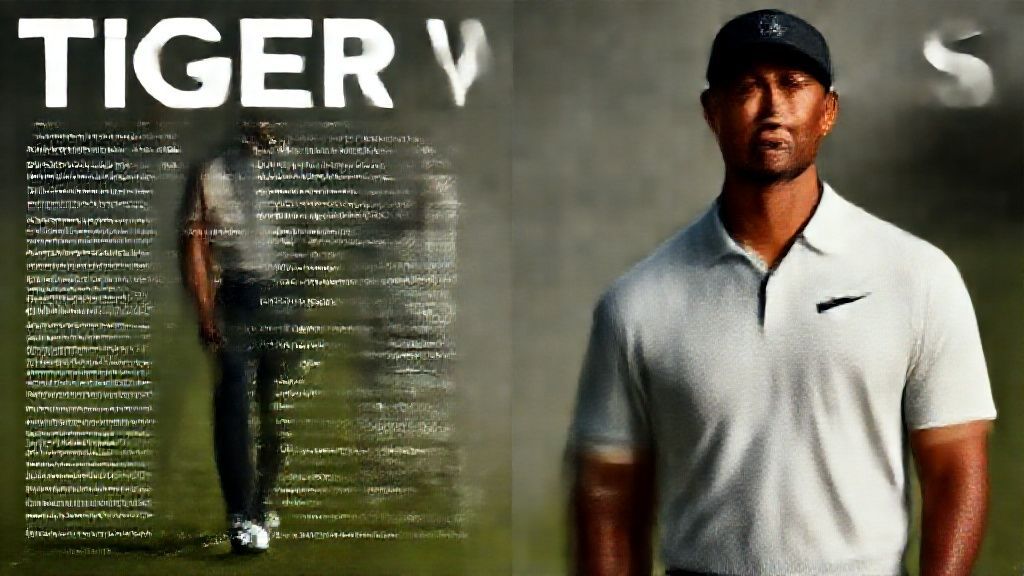
Plate · The Unscripted Elegance: Tiger Woods' Pre-Brand Sartorial Journey
In the annals of sporting legends, few figures command the global recognition of Tiger Woods. His name is synonymous not only with unparalleled athletic prowess but also with an instantly recognizable aesthetic, meticulously crafted and globally disseminated by one of the world's leading sportswear giants. Yet, before the ubiquity of the iconic red shirt on Sundays, before the carefully curated Nike campaigns, there existed a nascent style narrative – a captivating fashion foreword to the legend we know today. This is a journey back to the formative years, exploring the discerning sartorial choices of a young phenom before his image became a brand, offering a rare glimpse into the organic evolution of a style icon.
For the discerning eye, the pre-sponsorship era of Tiger Woods offers a unique opportunity to witness the genesis of his aesthetic. It was a time when his wardrobe, while always purposeful, reflected a more personal inclination, a blend of collegiate charm, classic golf heritage, and an emerging sense of professional gravitas. This period, often overshadowed by the later commercial juggernaut, is ripe for a re-examination, revealing the subtle yet significant fashion cues that laid the groundwork for his enduring appeal.
The Amateur Years: Collegiate Chic and Casual Confidence
Tiger Woods' tenure at Stanford University, from 1994 to 1996, provided the initial canvas for his public style. Far from the meticulously engineered performance wear of his later career, these years showcased a more relaxed, yet undeniably polished, approach to golf attire. The prevailing `collegiate fashion` of the mid-90s, characterized by its `preppy aesthetics` and understated elegance, deeply influenced his on-course presentation.
During this period, Woods often favored classic `polo shirts` in a spectrum of sophisticated hues – deep navies, forest greens, and rich burgundies – crafted from breathable cottons that spoke to both comfort and tradition. These were frequently paired with `khaki trousers` or tailored chinos, often with a slight pleat, offering a silhouette that was both athletic and refined. The look was completed with traditional leather `golf shoes`, often from brands like FootJoy, emphasizing function without sacrificing a timeless appeal. His choices eschewed the more flamboyant trends of the era, opting instead for a dignified simplicity that underscored his serious intent on the course.
"His early wardrobe was a masterclass in understated power, a reflection of a talent so profound it needed no embellishment. It was the quiet confidence of a champion in the making."
Even off the course, his style leaned towards casual sophistication: classic button-down shirts, perhaps a collegiate sweater, and well-fitting denim. It was the quintessential `American sportswear` look, elevated by an inherent sense of poise that belied his youth. This era was crucial in establishing his foundational `menswear heritage` – an aesthetic rooted in classicism, which would subtly inform his style even as it evolved under corporate guidance.
Turning Pro: A Glimpse of Grandeur
The transition from amateur phenom to professional golfer in August 1996 marked a subtle yet significant shift in Woods' sartorial presentation. While the full weight of the Nike endorsement was yet to fully manifest in his on-course attire, there was a palpable move towards a more polished, considered wardrobe befitting a burgeoning global star. The stakes were higher, and his clothing began to reflect a more deliberate projection of authority and professionalism.
Classic Silhouettes and Understated Hues
The `classic golf attire` principles remained paramount. Woods continued to favor meticulously tailored trousers, often in flat-front designs that offered a cleaner, more contemporary line. The color palette, while still embracing traditional tones, began to incorporate more crisp whites and understated grays, lending an air of sophisticated gravitas. His `polo shirts` became slightly more structured, often featuring subtle textures or fine details that spoke to quality and craftsmanship. The emphasis was on `timeless elegance`, a look that would stand the test of time rather than succumb to fleeting fashion trends.
Key elements of his early professional wardrobe included:
- Crisp, high-quality cotton `polo shirts` in solid, refined colors.
- Tailored `chinos` or wool blend trousers, often in neutral tones.
- Premium leather `golf shoes`, prioritizing comfort and stability.
- V-neck or crew-neck sweaters, typically in fine gauge knits, for cooler conditions.
- Subtle accessories, such as leather belts and classic timepieces, completing a dignified ensemble.
This period saw him often sporting early iterations of Nike footwear and apparel, but the overarching aesthetic was still largely dictated by the traditional landscape of `professional golf fashion`, rather than the singular, brand-driven identity that would soon define him. It was a bridge between the unburdened collegiate look and the fully realized 'Brand Tiger'.
The Ascent to Stardom: Defining Moments, Defining Style
As Tiger Woods' star ascended rapidly in the late 1990s, culminating in his historic 1997 Masters victory, the scrutiny on every aspect of his persona intensified. His wardrobe, while not yet the monolithic branding statement it would become, played a crucial role in projecting an image of unparalleled confidence and unwavering focus. His `sartorial choices` during this period were instrumental in solidifying his image as a dominant force, exuding an `athletic aesthetic` tempered with an almost aristocratic poise.
Fabrics of Performance and Pedigree
While the advent of highly technical `performance fabrics` was still in its nascent stages, Woods' wardrobe began to subtly incorporate materials that offered enhanced comfort and mobility. Breathable cottons, fine wool blends, and early moisture-wicking synthetics were chosen for their inherent quality and functional benefits, allowing him to perform at his peak without sartorial distraction. The cut of his garments became increasingly precise, reflecting a desire for an unencumbered swing and a clean, powerful silhouette. This was less about overt branding and more about an organic evolution towards optimal `sportswear evolution` within the bounds of `luxury golf wear`.
"Every stitch, every fold, every choice in his early attire spoke volumes about the man beneath the fabric – a quiet assertion of dominance before the roar of the crowd."
His color choices, though still largely traditional, began to feature bolder, more saturated tones, particularly on significant Sundays. These moments, while not yet the definitive red, hinted at the powerful visual branding that was to come. It was a period of refinement, where his personal preference for classicism met the burgeoning demands of professional sports fashion, forging a path for future `golf style icon` status.
Beyond the Fairway: Personal Style Unveiled
While his on-course attire naturally garnered the most attention, Woods' off-course style in his pre-brand era offered a more intimate glimpse into his personal taste. These were the moments when the athlete shed the performance gear, revealing a preference for sophisticated, yet comfortable, `casual menswear`. His choices often mirrored the refined simplicity seen on the course, albeit with a relaxed sensibility.
One might find him in well-fitting `denim` paired with a crisp button-down shirt, perhaps a lightweight knit sweater, or even a classic leather jacket. The emphasis was always on quality fabrics, impeccable fit, and a timeless appeal. There was an absence of ostentation, a quiet confidence that permeated his choices, whether he was attending a press conference or a casual dinner. This demonstrated an innate understanding of `timeless elegance` that extended beyond the demands of his sport, showcasing a holistic `sartorial journey` that was both authentic and aspirational.
Concluding Insights: The Genesis of an Icon's Aesthetic
The styles Tiger Woods wore before he became a brand offer a compelling narrative of `fashion evolution` within the realm of elite sports. This pre-Nike chapter is a testament to the power of personal style, showcasing an athlete whose wardrobe choices were a natural extension of his character: disciplined, focused, and quietly confident. It was an era where the fabric spoke more than the logo, where the cut conveyed more than the endorsement deal.
His early `golf fashion` choices, rooted in `collegiate fashion` and `classic golf attire`, laid a robust foundation for the global phenomenon he would become. They demonstrated an innate understanding of how clothing could convey gravitas, professionalism, and a subtle hint of the extraordinary talent within. For fashion connoisseurs, this period is a treasure trove, revealing the authentic origins of an `iconic style` before it was meticulously sculpted by corporate vision. It reminds us that even the most powerful brands originate from an individual's intrinsic aesthetic, a true `menswear heritage` that transcends mere sponsorship and speaks to the enduring power of personal elegance.