Sculpting Sustainability: Ruth Asawa's Enduring Legacy Arrives at Guggenheim Bilbao
Ruth Asawa's groundbreaking wire sculptures, embodying timeless design and sustainable principles, arrive at Guggenheim Bilbao, inspiring a new generation of conscious creators.
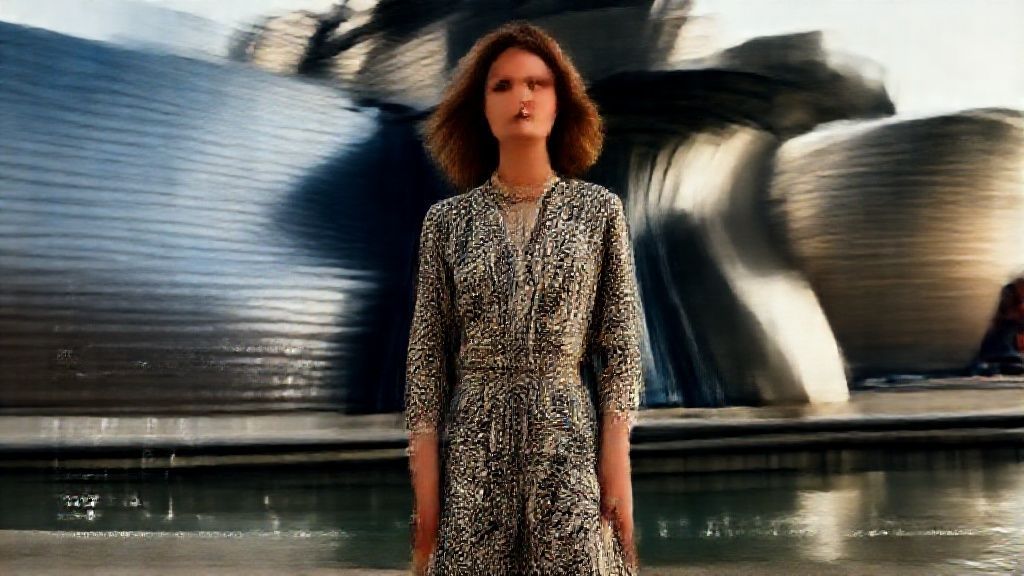
Plate · Sculpting Sustainability: Ruth Asawa's Enduring Legacy Arrives at Guggenheim Bilbao
A Tapestry of Time and Transparency: Ruth Asawa's Vision at Guggenheim Bilbao
In an era increasingly defined by rapid consumption and fleeting trends, the arrival of a monumental retrospective dedicated to the inimitable Ruth Asawa at the Guggenheim Museum Bilbao offers a profound pause. Asawa, a visionary sculptor whose intricate wire forms transcend mere aesthetics, presents a powerful narrative of resilience, innovation, and an inherent understanding of sustainability. For the discerning patrons of luxury fashion and conscious design, her work is not just art; it is a philosophy, a guidepost for a future where beauty and responsibility coalesce.
The exhibition, a comprehensive exploration of Asawa's seven-decade career, is more than a display of exquisite objects. It is an invitation to consider the profound impact of mindful creation, the enduring allure of artisanal craftsmanship, and the quiet power of timeless design. In the hallowed halls of Bilbao, Asawa's suspended sculptures, casting ethereal shadows and creating dynamic dialogues with their surroundings, speak volumes about the intrinsic value of patience, precision, and an unwavering commitment to material integrity – principles that resonate deeply within the burgeoning movement of sustainable fashion.
The Weaver of Light: Asawa's Visionary Craft
Born in Norwalk, California, in 1926, Ruth Asawa's journey through internment camps during World War II and her subsequent studies at Black Mountain College under the tutelage of Josef Albers and Buckminster Fuller, profoundly shaped her artistic perspective. It was here, experimenting with unconventional materials and embracing a philosophy of 'learning by doing,' that she began to forge her unique path.
Early Inspirations and Radical Techniques
Asawa's signature looped-wire sculptures, which appear to defy gravity and capture space itself, emerged from a transformative trip to Mexico in 1947. Inspired by local artisans crafting baskets from galvanized wire, she recognized the potential of this humble material to create volumetric forms that were simultaneously robust and delicate. This revelation was not merely a technical breakthrough; it was a conceptual leap that challenged conventional notions of sculpture, moving beyond solid mass to embrace transparency and open form.
"Art is a way to say who you are without having to speak."
Her technique involved meticulously looping and intertwining individual strands of wire – often brass, copper, or steel – to build complex, undulating shapes. These forms, ranging from intimate, hand-held pieces to monumental installations, evoke natural elements like water droplets, plant structures, and celestial bodies. The repetitive, meditative nature of her process echoes the dedication found in slow fashion practices, where garments are crafted with intention and skill, rather than mass-produced for fleeting trends.
A Philosophy of Materiality
Asawa's choice of material was inherently sustainable. Wire, a ubiquitous and often overlooked industrial product, was elevated to an art form through her hands. This transformation speaks to the core tenets of upcycled materials and the circular economy, where existing resources are reimagined and given new life. Her work is a powerful testament to the idea that true luxury lies not in rarity or ostentation, but in the intelligent and respectful use of materials, coupled with unparalleled skill.
- Material Ingenuity: Transforming industrial wire into delicate, organic forms.
- Process as Philosophy: Embracing repetition, patience, and meticulous handwork.
- Sustainable Aesthetics: Creating lasting beauty from accessible, durable resources.
Sustainability in Form: A Dialogue with Fashion
The parallels between Asawa's artistic philosophy and the principles of sustainable fashion are striking. Her work serves as a powerful metaphor for the values that premium fashion publications champion: longevity, ethical production, and the celebration of human skill over automated efficiency.
Timeless Design and Circularity
Asawa's sculptures possess an enduring quality, transcending fleeting artistic movements. They are objects of intrinsic beauty and structural integrity, designed to last and to be appreciated across generations. This aligns perfectly with the ethos of timeless design in fashion, where investment pieces are chosen for their durability, versatility, and classic appeal, rather than their adherence to seasonal fads. Her forms, often inspired by nature's own perfect geometry, embody a circularity of form and function, reminding us that true sustainability is about creating systems that regenerate rather than deplete.
In a world grappling with textile waste and the environmental impact of fast fashion, Asawa's art offers a compelling alternative vision. It champions a future where:
- Durability is Key: Products are made to last, reducing the need for constant replacement.
- Craftsmanship is Valued: Human skill and artistry are celebrated, adding intrinsic value.
- Resourcefulness is Paramount: Materials are chosen thoughtfully and transformed with ingenuity.
- Aesthetic Longevity: Designs possess an enduring appeal that transcends trends.
These are the very pillars upon which ethical production and conscious consumerism are built. Her work encourages a shift from linear consumption to a more circular, respectful relationship with the objects we create and acquire.
Artisanal Excellence: A Fashion Parallel
The meticulous handwork involved in Asawa's sculptures resonates deeply with the world of couture techniques and heritage brands. Each loop, each twist of wire, is a testament to skill, patience, and an intimate understanding of the material. This dedication to craft is what distinguishes true luxury from mass-produced goods, whether in art or in fashion. Brands committed to eco-luxe principles often highlight the hands that create their products, emphasizing the human story behind each stitch, weave, or dye process. Asawa's art is a powerful reminder that the true value of an object is often found in the labor and love invested in its creation.
"I found that if I was going to change the world, I had to change myself first."
Her minimalist aesthetic, characterized by clean lines and organic forms, also finds a strong parallel in contemporary minimalist aesthetic fashion. It's about stripping away the superfluous to reveal the essence, relying on impeccable cut, quality materials like natural fibers, and thoughtful design rather than excessive embellishment. This approach not only creates a sophisticated, enduring style but also inherently supports fashion sustainability by reducing material waste and encouraging mindful consumption.
The Bilbao Experience: A Confluence of Art and Consciousness
The Guggenheim Museum Bilbao, itself an architectural marvel that pushes the boundaries of design and material use, provides a fitting backdrop for Asawa's work. The interplay between Frank Gehry's titanium curves and Asawa's flowing wire forms creates a dynamic dialogue between architecture and sculpture, permanence and fluidity.
Curating a Legacy
The exhibition has been meticulously curated to showcase the full breadth of Asawa's oeuvre, from her early drawings and prints to her iconic wire sculptures and later public commissions. Visitors will encounter not only the breathtaking beauty of her individual pieces but also the overarching philosophy that guided her creative life. The arrangement allows for an immersive experience, inviting contemplation on the nature of space, light, and form.
Highlights of the exhibition include:
- Early experimental works from Black Mountain College, demonstrating her foundational influences.
- A vast collection of her signature looped-wire sculptures, showcasing their incredible variety and scale.
- Rare drawings and prints that reveal her profound understanding of line and shadow.
- Documentation of her impactful public art projects, which integrated art into everyday urban life.
This comprehensive view underscores Asawa’s consistent commitment to her craft and her unwavering vision, qualities that are increasingly sought after in the realm of luxury fashion, where authenticity and heritage are paramount.
Educational Imperatives
Beyond its aesthetic appeal, the Asawa retrospective at Bilbao carries a significant educational imperative. It inspires a new generation of designers, artists, and conscious consumerism advocates to reconsider their relationship with materials, process, and purpose. Her legacy encourages a return to fundamental principles: respect for resources, valuing human skill, and creating objects that contribute meaningfully to the world rather than merely adding to its clutter. This resonates with the fashion industry's urgent need for textile innovation and more ethical sourcing practices.
Asawa's Enduring Influence: A Call to Conscious Creativity
Ruth Asawa's work, now magnificently presented at the Guggenheim Bilbao, stands as a powerful testament to the enduring power of art to inspire and provoke thought. In a world yearning for authenticity and responsibility, her sculptures offer a tangible expression of what it means to create with intention, integrity, and profound respect for the natural world.
For those within the fashion industry, Asawa's retrospective is more than an art exhibition; it is a masterclass in design integrity and a clarion call for a more sustainable future. Her approach – transforming simple materials into objects of profound beauty and lasting value through meticulous handwork and a deep understanding of form – provides a blueprint for how we can reimagine wearable art and the very production of fashion. It encourages us to look beyond superficial trends and embrace the deeper, more meaningful narrative of craftsmanship, longevity, and a truly circular economy.
As we navigate the complexities of modern life and strive for a more harmonious existence, Asawa's legacy reminds us that true elegance lies in simplicity, true strength in transparency, and true sustainability in the mindful act of creation itself. Her art is not just to be admired; it is to be learned from, to inspire a renewed commitment to a world where beauty thrives in harmony with responsibility.
Concluding Insights: A Future Woven with Purpose
The Ruth Asawa retrospective at Guggenheim Bilbao is a pivotal moment for both the art world and the broader cultural landscape, particularly for advocates of sustainable fashion. It reinforces the idea that true innovation often stems from a return to fundamental principles: respecting materials, valuing human ingenuity, and creating objects with a lasting purpose. Asawa’s wire sculptures, with their intricate beauty and humble origins, offer a compelling counter-narrative to the fleeting nature of fast fashion. They represent investment pieces in the truest sense – not just financially, but aesthetically and ethically.
Her work teaches us that sustainability is not a compromise on luxury or beauty, but rather an enhancement of it. The deliberate, meditative process behind each sculpture mirrors the artisanal dedication found in the most esteemed eco-luxe brands. This exhibition serves as a powerful reminder that conscious choices in design, production, and consumption are not merely trends but essential practices for a more resilient and beautiful future. Asawa's legacy is a beacon, guiding us toward a future where every thread, every loop, and every design decision is woven with purpose and respect for our planet and its people. It's a vision for a world where art and fashion, hand-in-hand, sculpt a more sustainable tomorrow.